
What we learned moving freight.
Deep research and operations notes from ZAFTYS: container trucking, TMS, plant TAT, axle and GVW, and how backhaul and capacity networks cut empty kilometres.
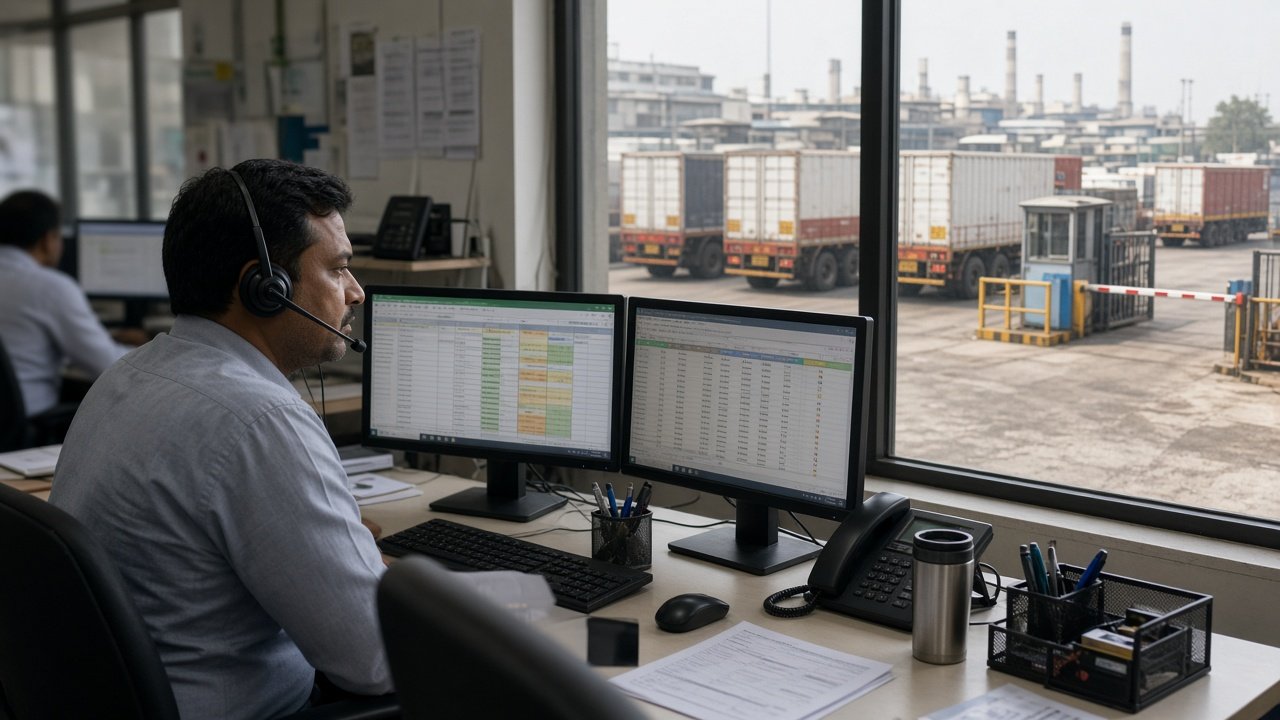
Transporter Indent Management and OTIF in India: How Industrial Plants Fix Placement Shortfalls, Cascading Rules, and Vendor SLAs
Fix morning indent failures: define placement and OTIF with denominators, automate L1/L2 cascading, counsel-reviewed risk-purchase differentials, configurable scorecards, plant TAT linkage, and ZAFTYS-to-TranZfort safety valves.
Read more
Commercial Vehicle Verification in India: How Industrial Shippers Prevent Bogus Trucks, Cloned Plates, and Stolen Freight
Stop fake / bogus trucks (farzi gaadi) and cloned plates at the plant gate: authorized Vahan/Sarathi checks where live, chassis pencil rubbing, FASTag risk signals, driver chain of custody, and marketplace-to-TMS verification.
Read more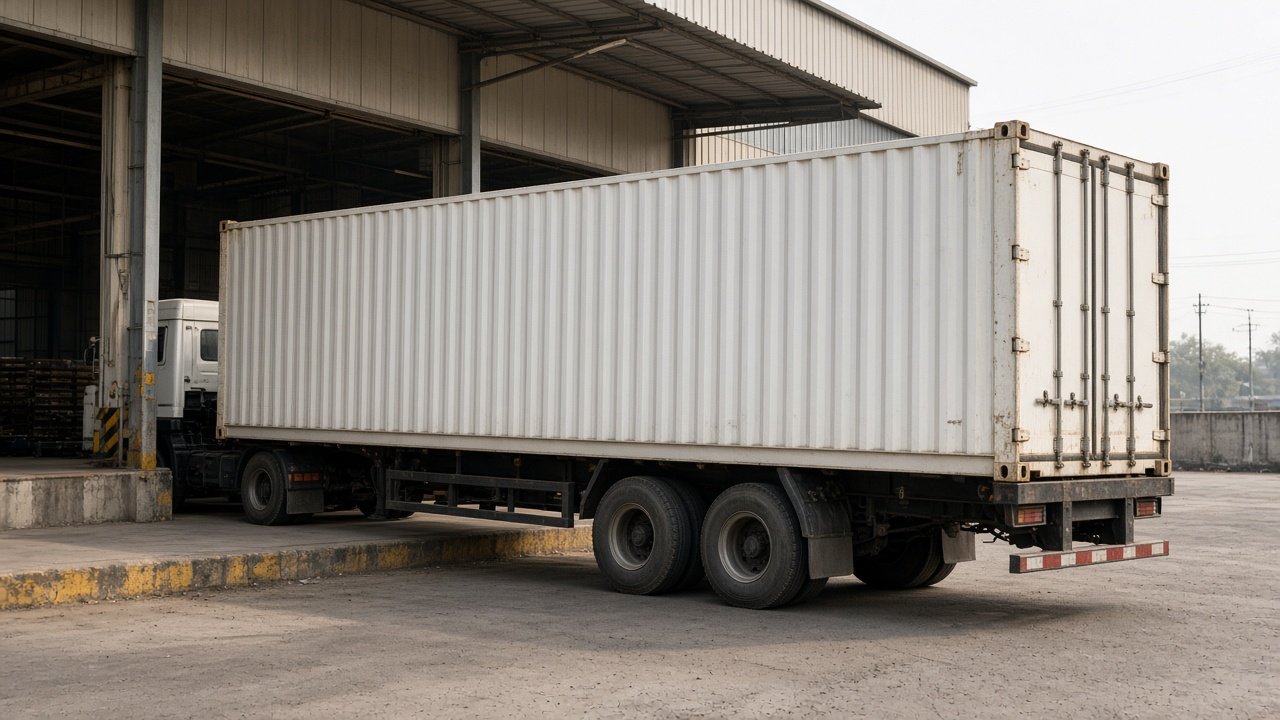
32-Foot Container Trucks in India: SXL vs. MXL Dimensions, Payload Capacity, Volumetric Weight, and Sizing Guide
Right-size ~32-ft closed bodies using GVW minus tare, OEM model rows where sourced, CMVR height categories, density thresholds, and marketplace posting that never treats listing labels as compliance.
Read more
GST on Goods Transport Agencies (GTA) in India: 5% RCM vs. 18% Forward Charge, Consignment Notes, and Freight Invoicing Rules
GTA taxation for industrial freight desks: decision aid for 5% RCM vs 18% forward charge with ITC, consignment-note litmus, Annexure V elections, post-2022 exemption withdrawal, and TMS-led GSTR-2B / cash-ledger reconciliation.
Read more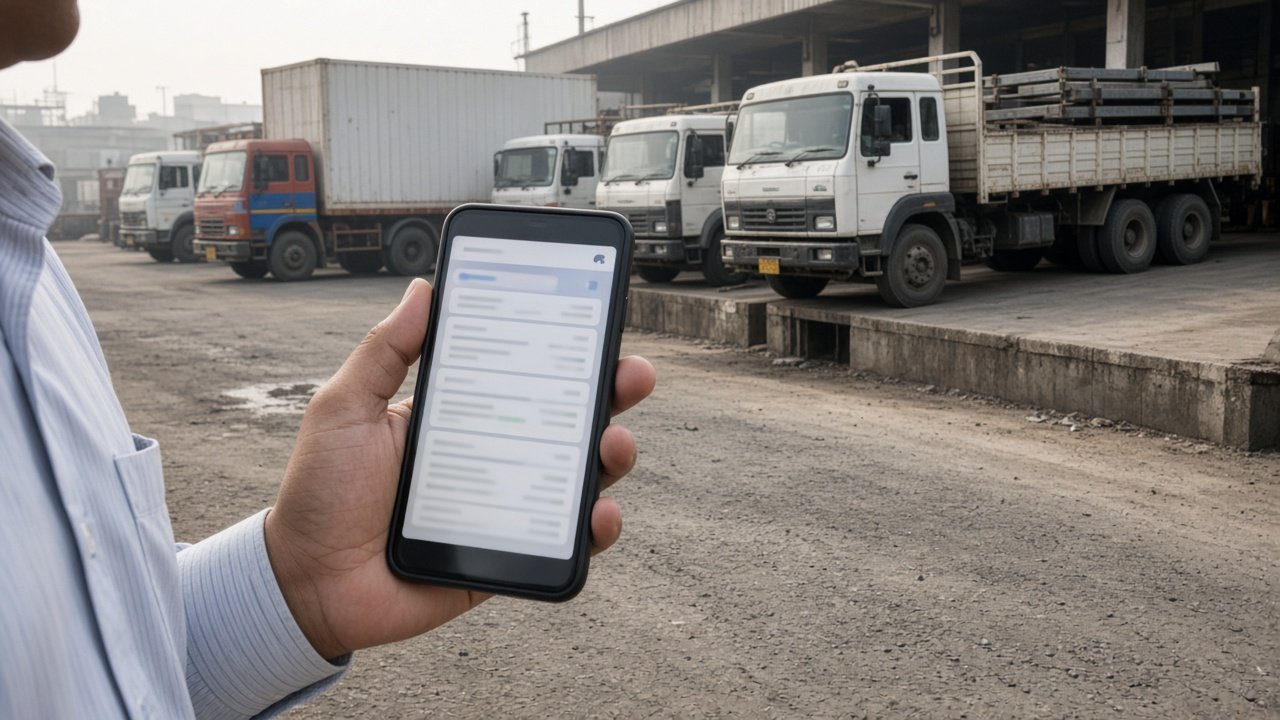
Online Truck Load Marketplaces in India: How Digital Freight Platforms Work, Broker Commission vs. Free Matching, and Load Booking SOPs
How Indian truck load marketplaces work: Transport Nagar commission stacks (labelled assumptions), free TranZfort matching for truckers and transporters, Vahan vetting, trip milestones, and enterprise overflow into ZAFTYS TMS.
Read more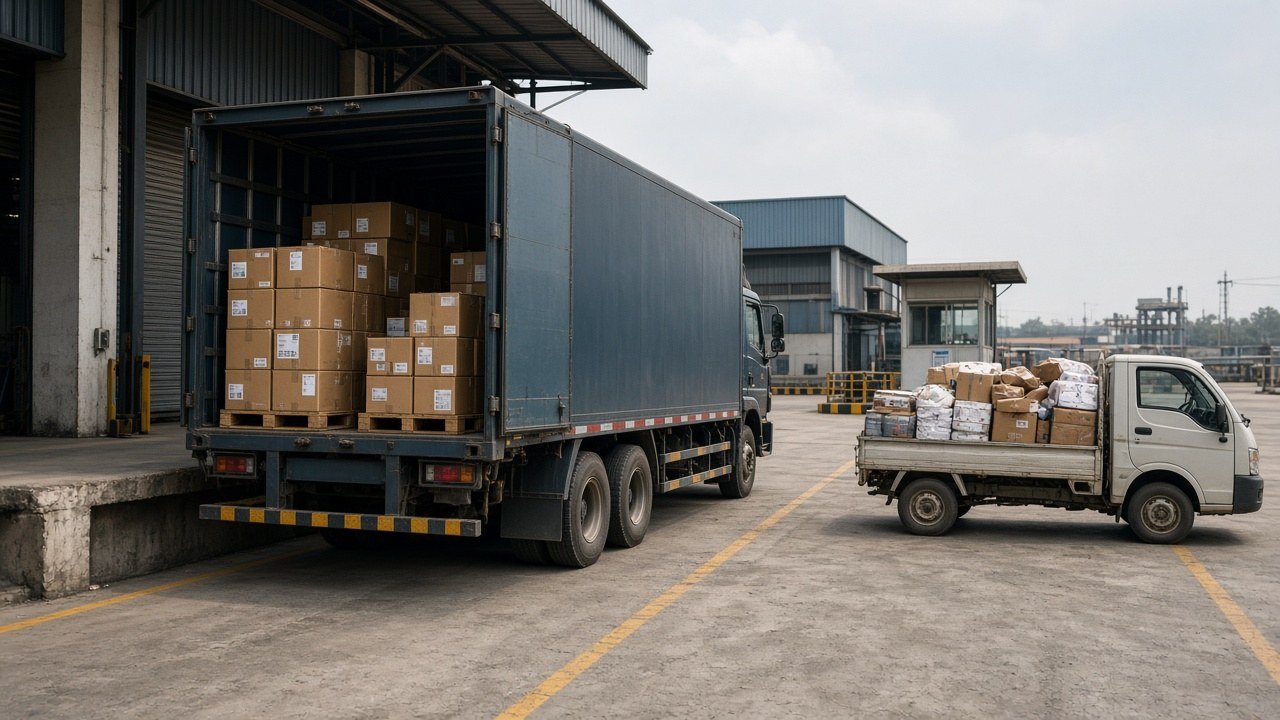
FTL vs PTL in India: Break-Even Weight, Cost & Damage
PTL / LTL / sundry vs dedicated FTL: capacity bands, volumetric traps, lane density, and landed-cost break-even - when to stay on parcel and when to book a dedicated truck.
Read more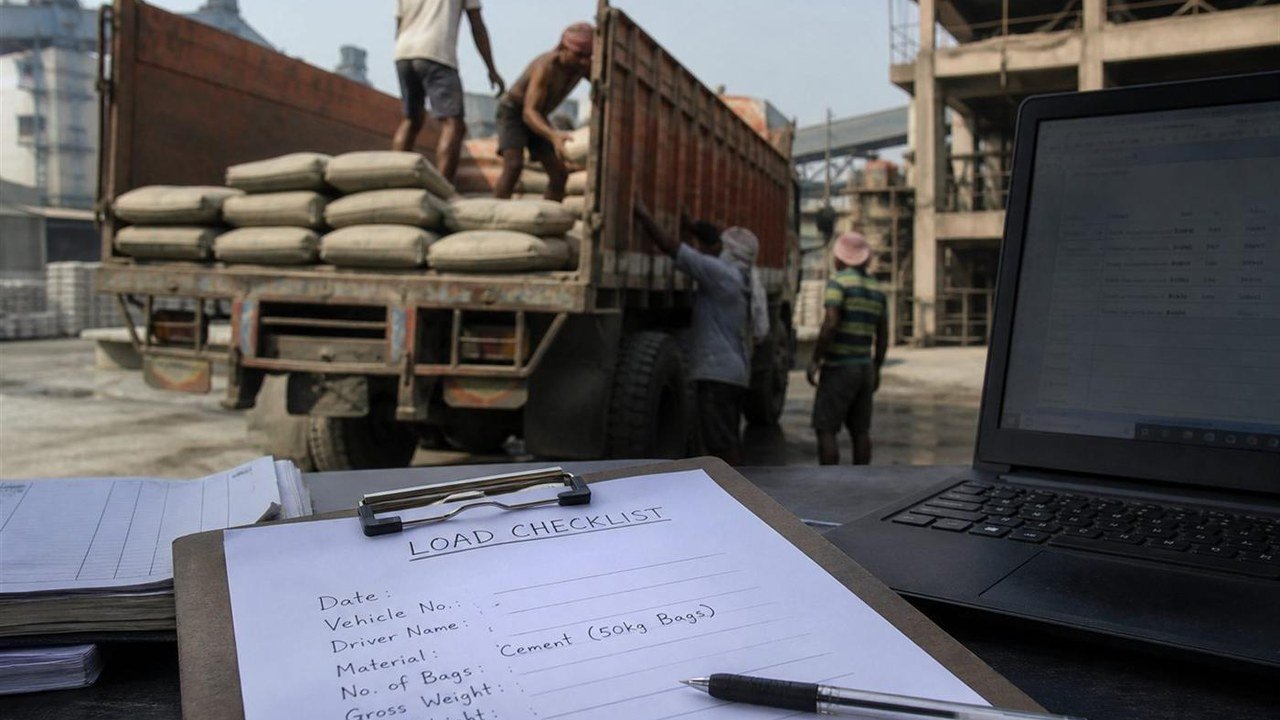
Transit Damage & Shortage Claims in India: Carrier Liability, Clean LR, and Cargo Insurance
How Indian plants recover transit damage and weighbridge shortage: Rule 12 declared value, clean vs qualified lorry receipt, ITC-A claim steps, and contract clauses that survive a surveyor.
Read more
Rail Freight vs Road Freight in India: Dedicated Freight Corridors and Break-even Distance
Rail freight vs road freight in India is railway freight plus both truck ends, not a corridor slogan. Divide those ends by the gap between the two rates per tonne-kilometre. There is no national distance at which rail wins. A 3,000-tonne rake is 89 trucks at 34 tonnes payable payload, not a count that treats 49 tonnes as payload.
Read more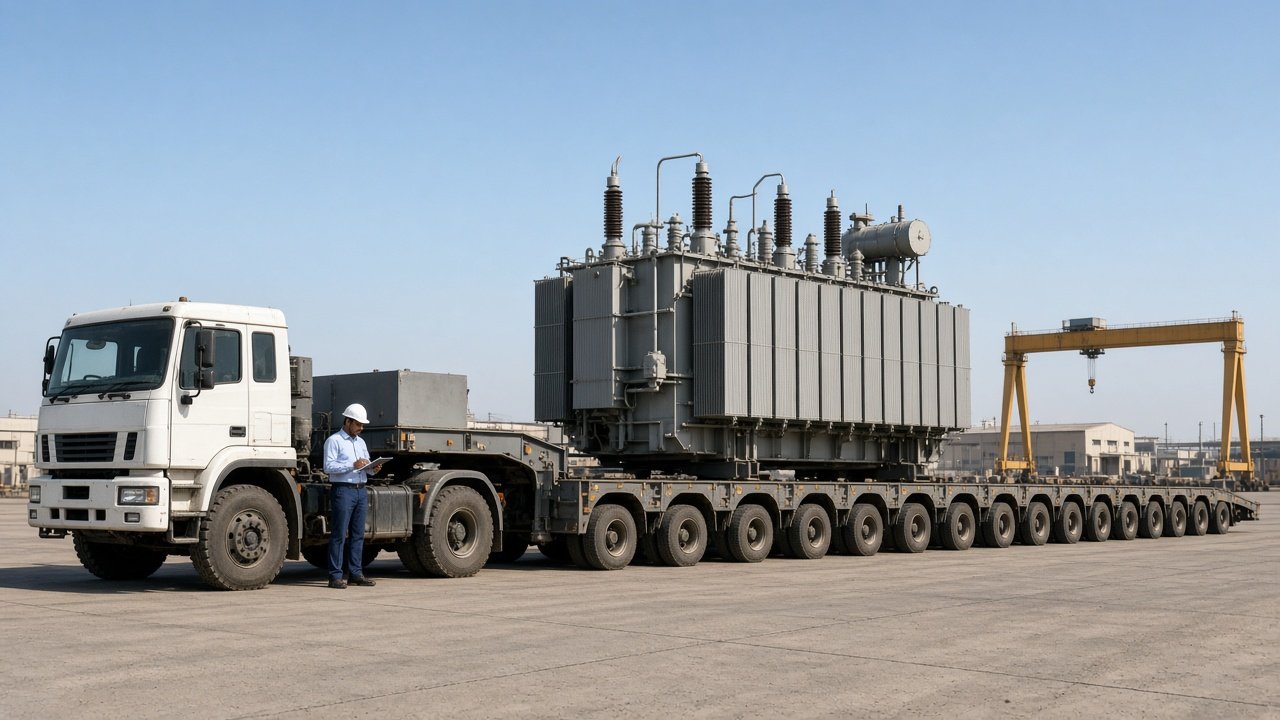
Over Dimensional Cargo Guidelines India: MoRTH Rules, Hydraulic Trailers, and Permits
Over dimensional cargo guidelines India are Rule 93 plus the permission in force, not a per-km hire. The 27 October 2025 circular lists HT-1 to HT-13 at not more than 18 tonnes per axle row, with gross weight stated without the puller. A 120-tonne workshop screens at 9 axle lines, or 11 if a bridge is posted at 15 tonnes. That is arithmetic. The portal and the survey decide the class. The quote is split into hire, fuel, civil work, and empty return.
Read more
Chemical Transportation Rules in India: PESO, TREM Cards, and Tanker Safety
A chemical tanker in India is cleared by the road rules, the vessel approval, and the plant gate, not by one national permit. This guide measures the emergency panel, separates petroleum Class A, B, and C from the UN classes, and works a methanol ullage sum through to 15,193 kg. It is not a PESO licence and not an incident database.
Read more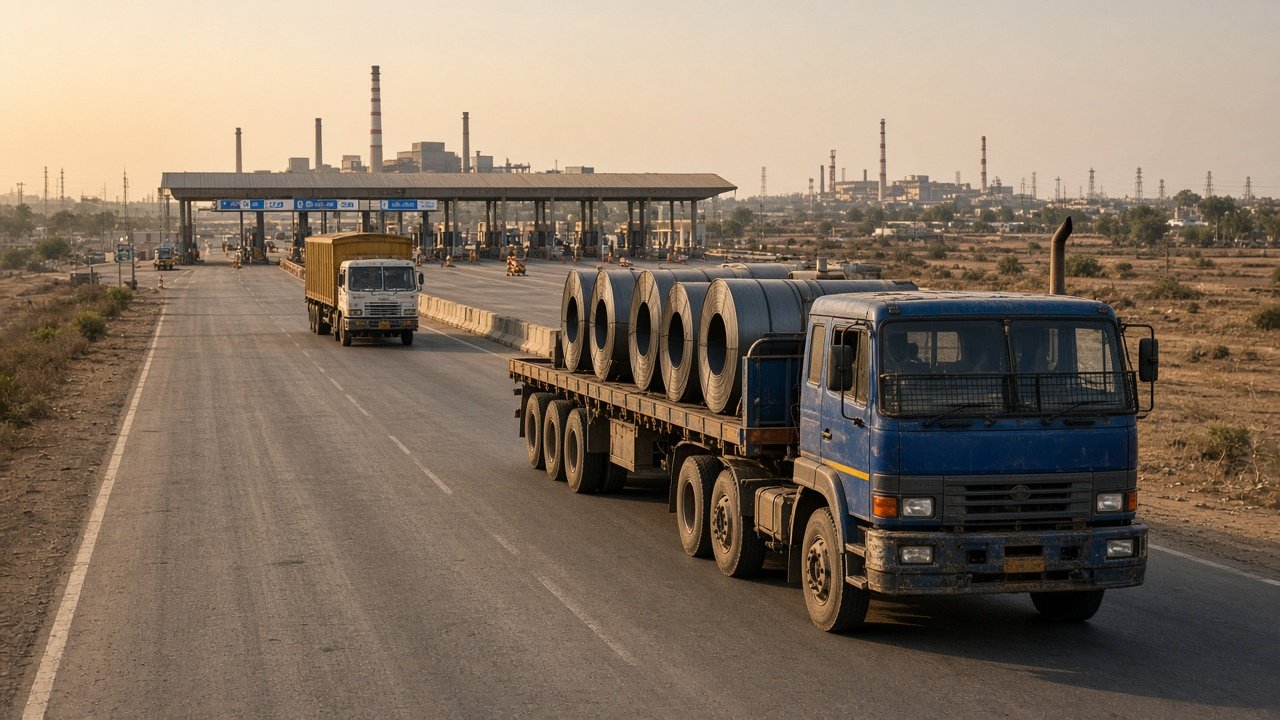
How to Calculate Truck Freight Rates in India: A Complete Cost and Rate Benchmarking Guide
A truck freight rate in India is a cost stack plus a lane factor, not the lowest quotation in an inbox. This illustrative workshop prices diesel, AdBlue, toll, tyres, and standing cost, then normalises two Jamshedpur to Pune bids. It is not a national rate index.
Read more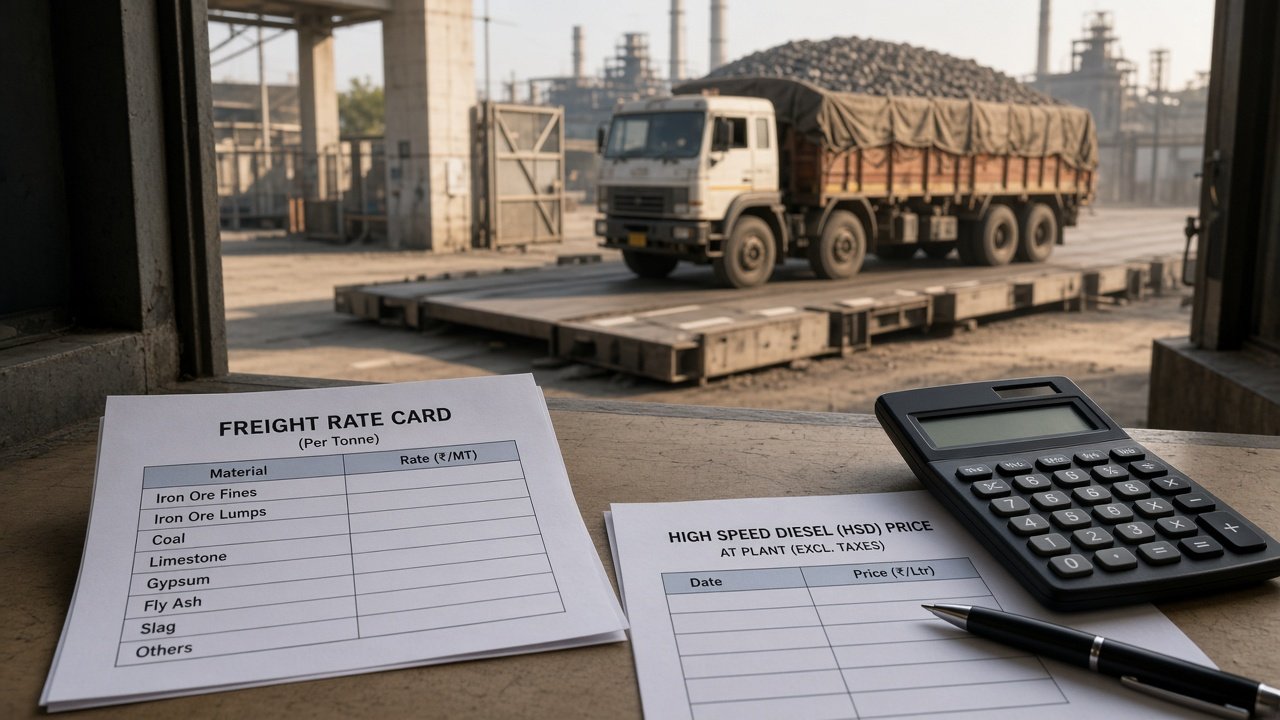
How to write a diesel surcharge clause for Indian freight contracts
A diesel surcharge on freight charges should be a calculation, not a month-end negotiation. This guide shows how to write one fuel adjustment factor into an Indian industrial freight contract: which city, which date, which formula, and what stays off the line. Delhi diesel rose ₹4.53 between 15 May and 8 Oct 2026.
Read more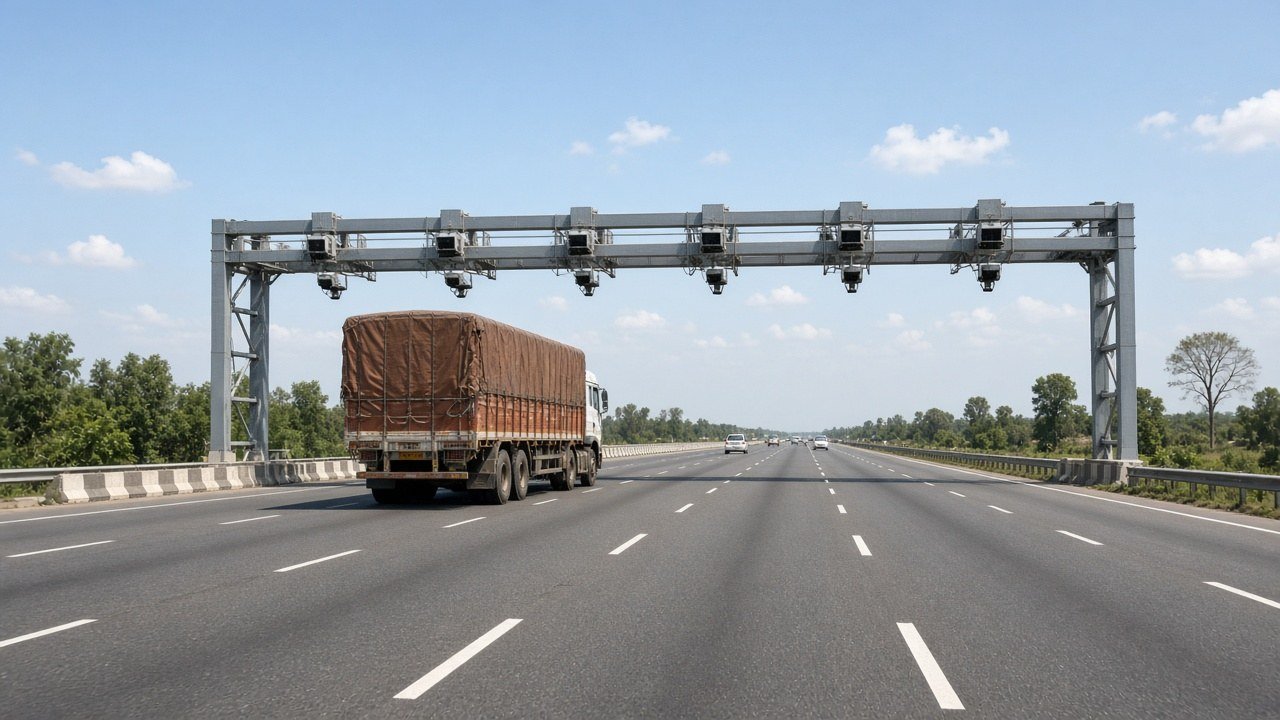
FASTag, barrier-free tolling, and GNSS: what Indian freight should plan for
A freight bill can already show a FASTag debit. At a few plazas the truck no longer has to stop. Satellite pay-per-kilometre billing is written in the 2024 fee rules, and in July 2026 the government said it still has no timeline. This guide separates the three.
Read more
5 Hidden Cost Leaks in Heavy Industrial Freight (And How Modern 3PL & TMS Tech Fixes Them)
In heavy manufacturing - steel, cement, mining, chemicals, and heavy engineering - direct freight rates make up only 30% to 40% of the true cost of logistics. The remaining 60% to 70% leaks quietly through gate detention, weighbridge variance, unvetted spot spikes, highway telematics blind spots, and 45-day paper POD audit delays. This master operational guide shows how enterprise 3PL dedicated fleets and TMS technology eliminate every leak.
Read more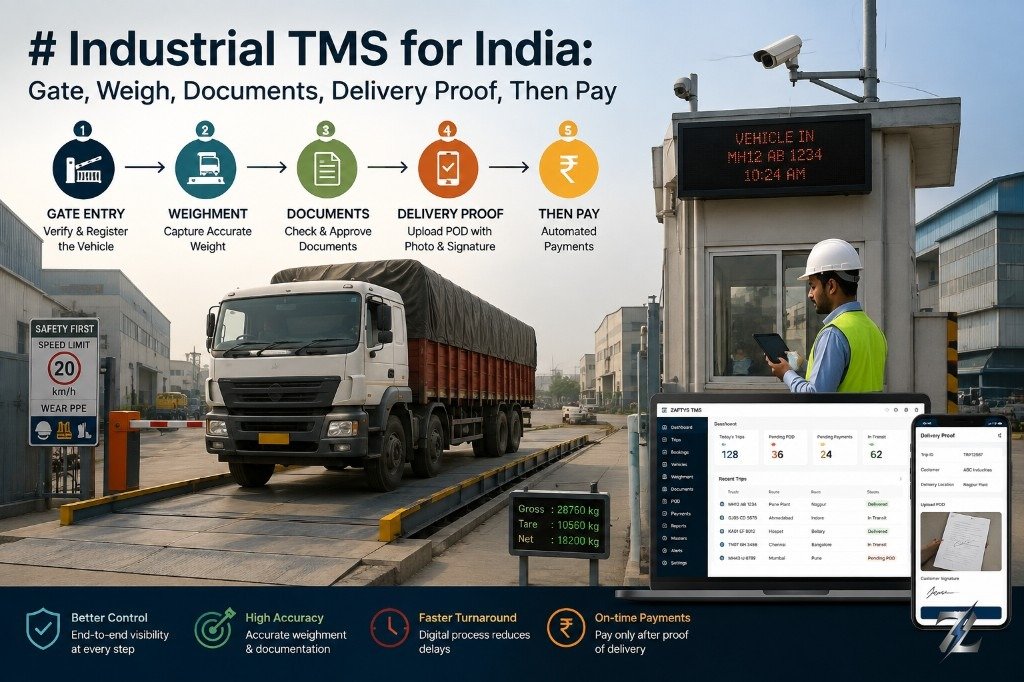
Industrial TMS for India: Gate, Weigh, Documents, Delivery Proof, Then Pay
Industrial TMS for Indian manufacturing plants is not a highway map. This guide walks the plant control stack - gate, weigh, documents, delivery proof, pay - with inbound vs outbound differences, shortage and settlement visuals, and a demo checklist you can use next week.
Read more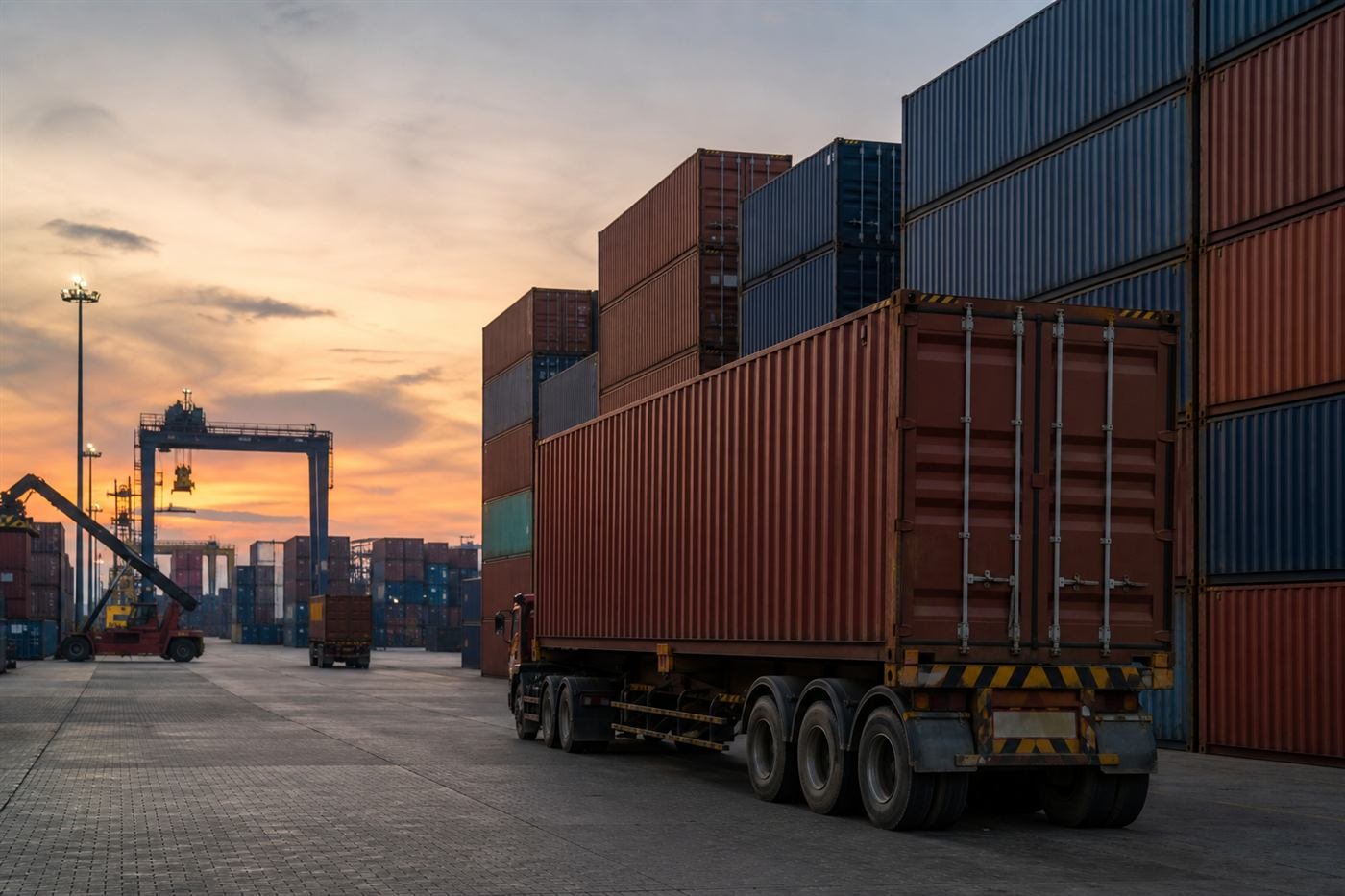
Container Trucking in India: Ports, Chassis, and Backhaul
Ocean shocks hit Indian inland depots before they show at the plant gate. This deep guide maps TEU pressure at JNPA and Mundra, separates ocean-box scarcity from trailer scarcity, and covers return-load economics, chassis selection, and hybrid base-plus-overflow capacity with clear units: TEUs, USD, and ₹.
Read more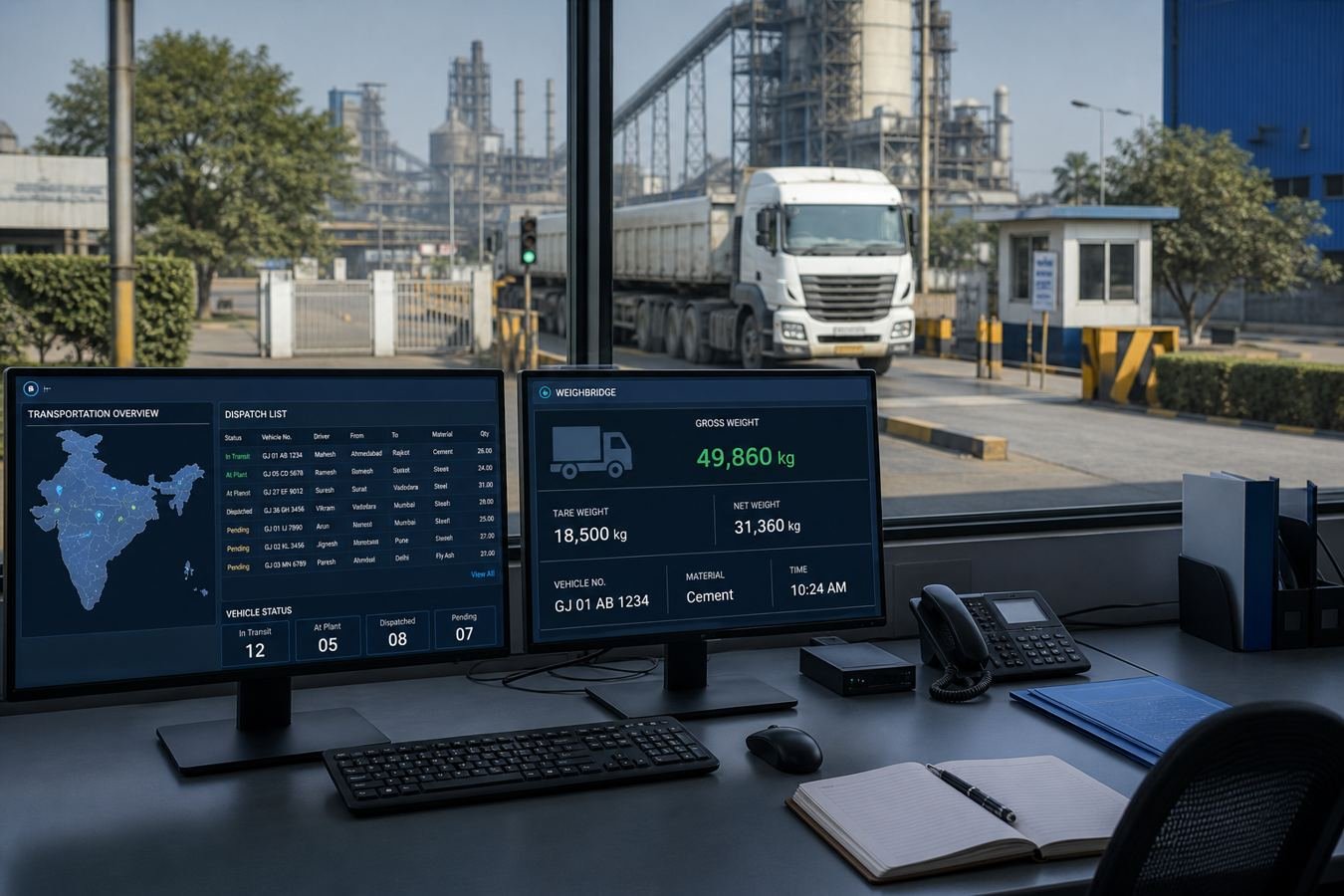
TMS Evaluation Guide for Indian Manufacturers: How to Choose the Right Transportation System in 2026
Most global transportation management systems are built for Western parcel or LTL networks. Indian manufacturers run heavy FTL, multi-axle trailers, spot brokers, weighbridges, and gate queues. This TMS evaluation guide covers the landscape, five pillars, a 25-point demo scorecard, and a six-week rollout. Score vendors on those jobs, not on a map with moving dots.
Read more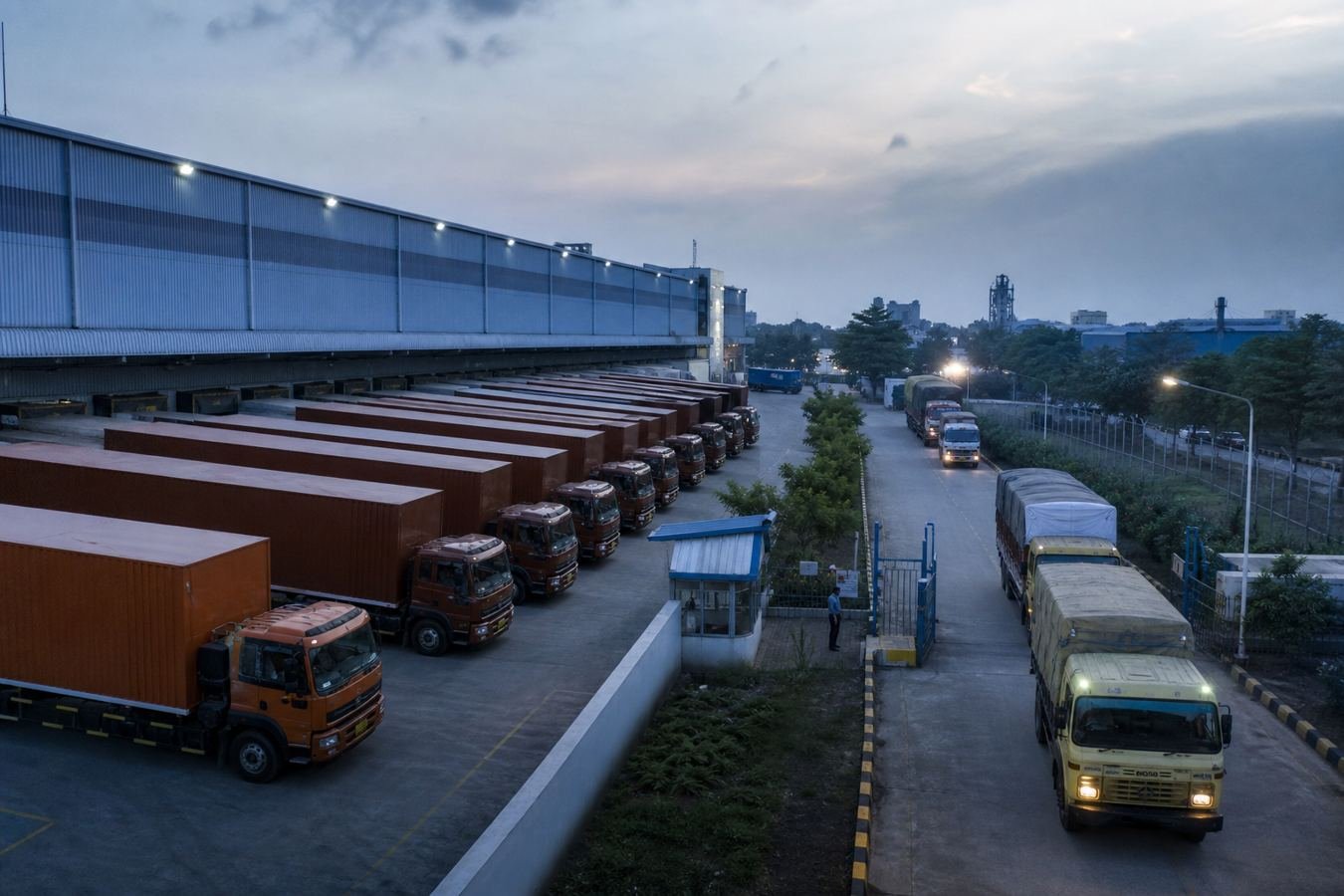
Spot Market vs Dedicated Contract Fleets in India: Hybrid Industrial Freight Strategy
Spot market vs dedicated contract fleets for industrial full truckload (FTL) in India: when contract capacity wins, when spot freight rates help, how to size a hybrid freight strategy, cut empty returns, and audit sourcing with a 25-point checklist.
Read more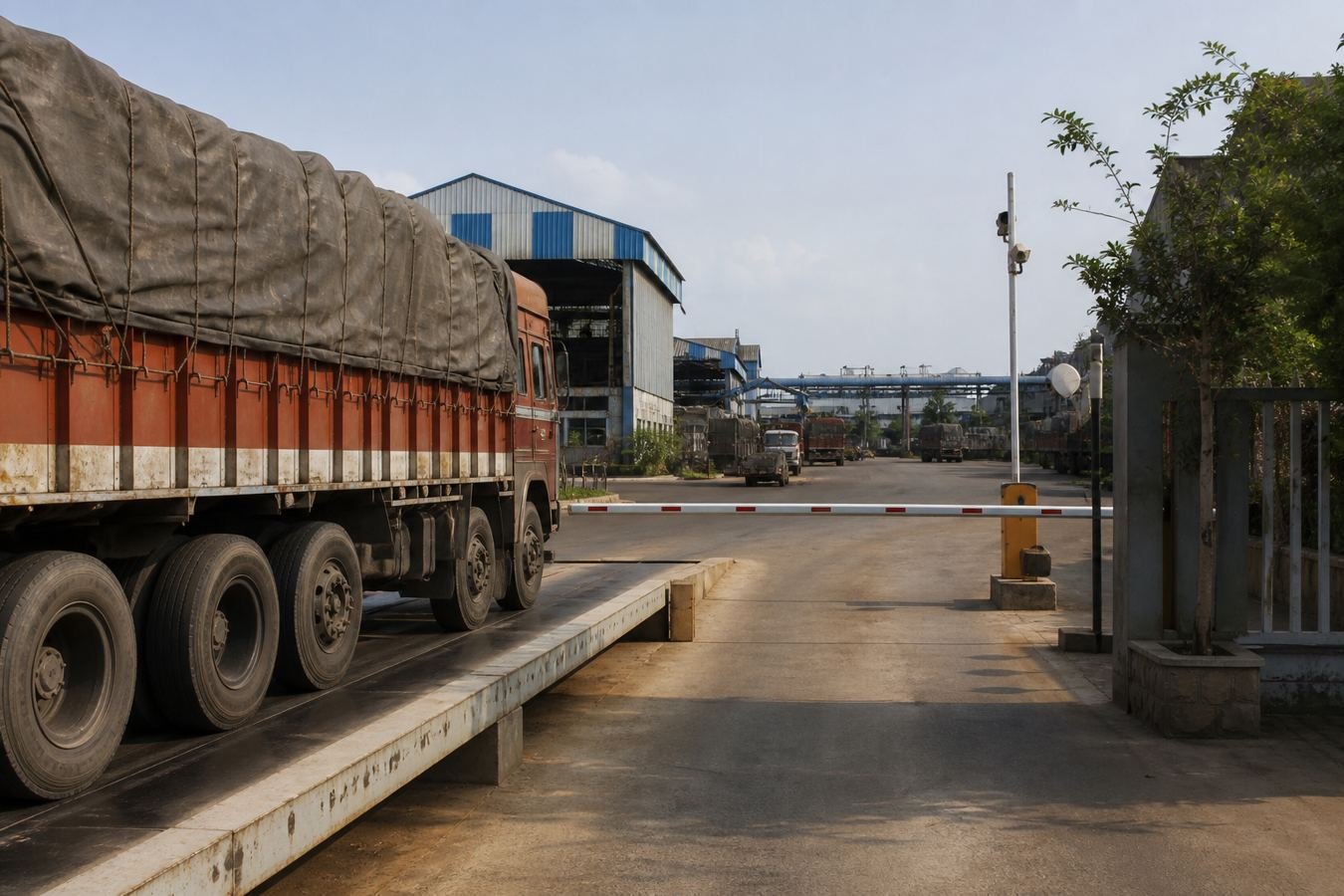
Plant Detention and Turnaround Time (TAT) in India: Yard and Gate Operations Guide
Plant detention and long truck turnaround time (TAT) often cost more than highway transit on industrial full truckload (FTL). This in-plant logistics and yard management guide covers five-stage TAT, free-time clocks, loading slots, weighbridge lock, and a 25-point plant audit for Indian manufacturers.
Read more
ePOD, FASTag, and e-Way Bill Compliance in India: Cut Freight Billing Delays
Automate electronic proof of delivery (ePOD), GST e-Way Bill compliance, and freight invoice matching in India. This guide covers paper LR delays, FASTag corridor proof where available, three-way billing match, exception queues, IRN hygiene, and a 25-point finance audit for manufacturers.
Read more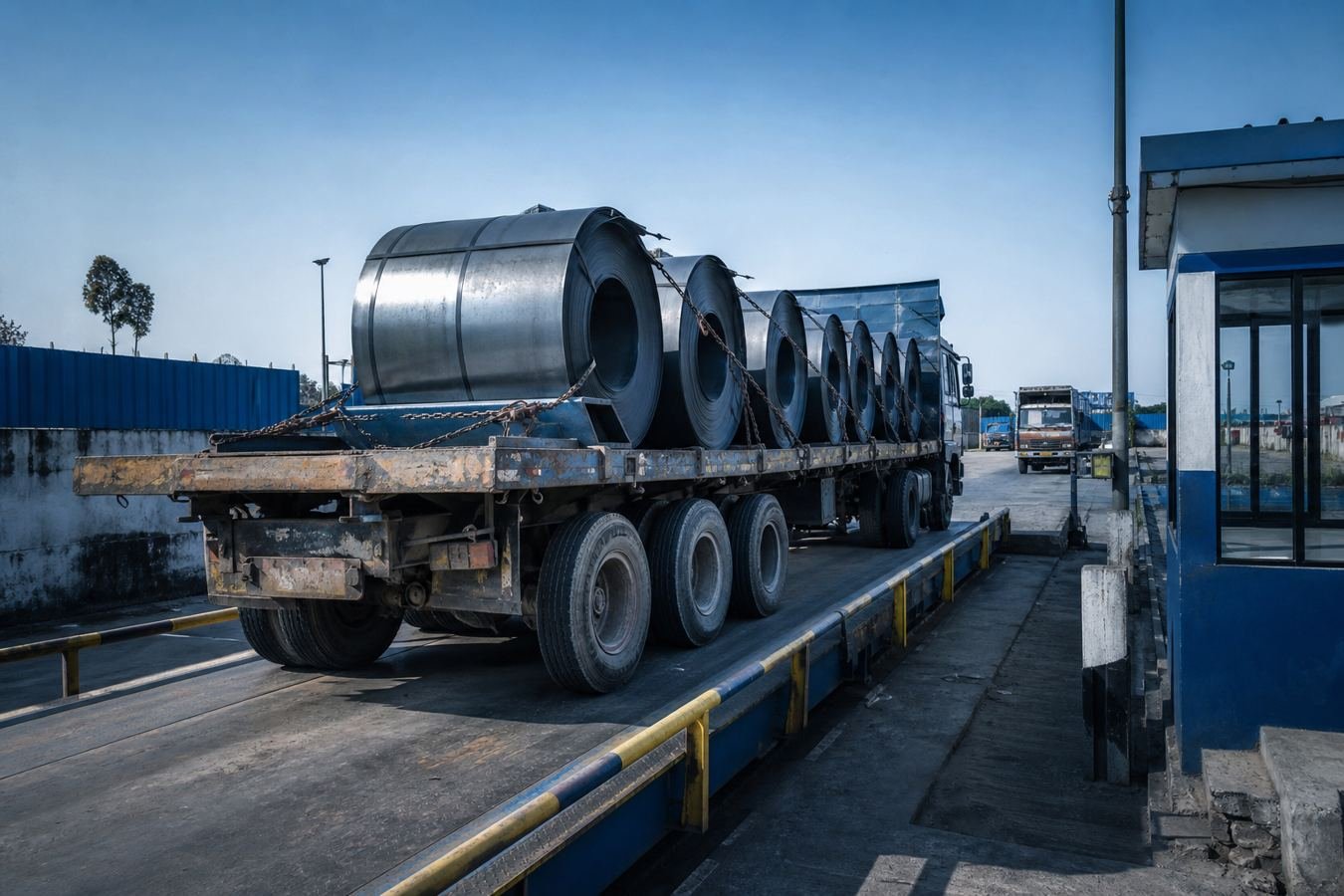
Understanding India's Axle Load Norms and GVW Limits: How Heavy Freight Shippers Avoid Penalties and Plant Delays
Heavy FTL in India fails when total gross vehicle weight (GVW) looks legal but one axle group is already over MoRTH axle load limits. This guide covers axle load norms, GVW bands, Section 194 overloading fines, industry traps, and a plant weighbridge loop you can audit before the truck hits the highway.
Read more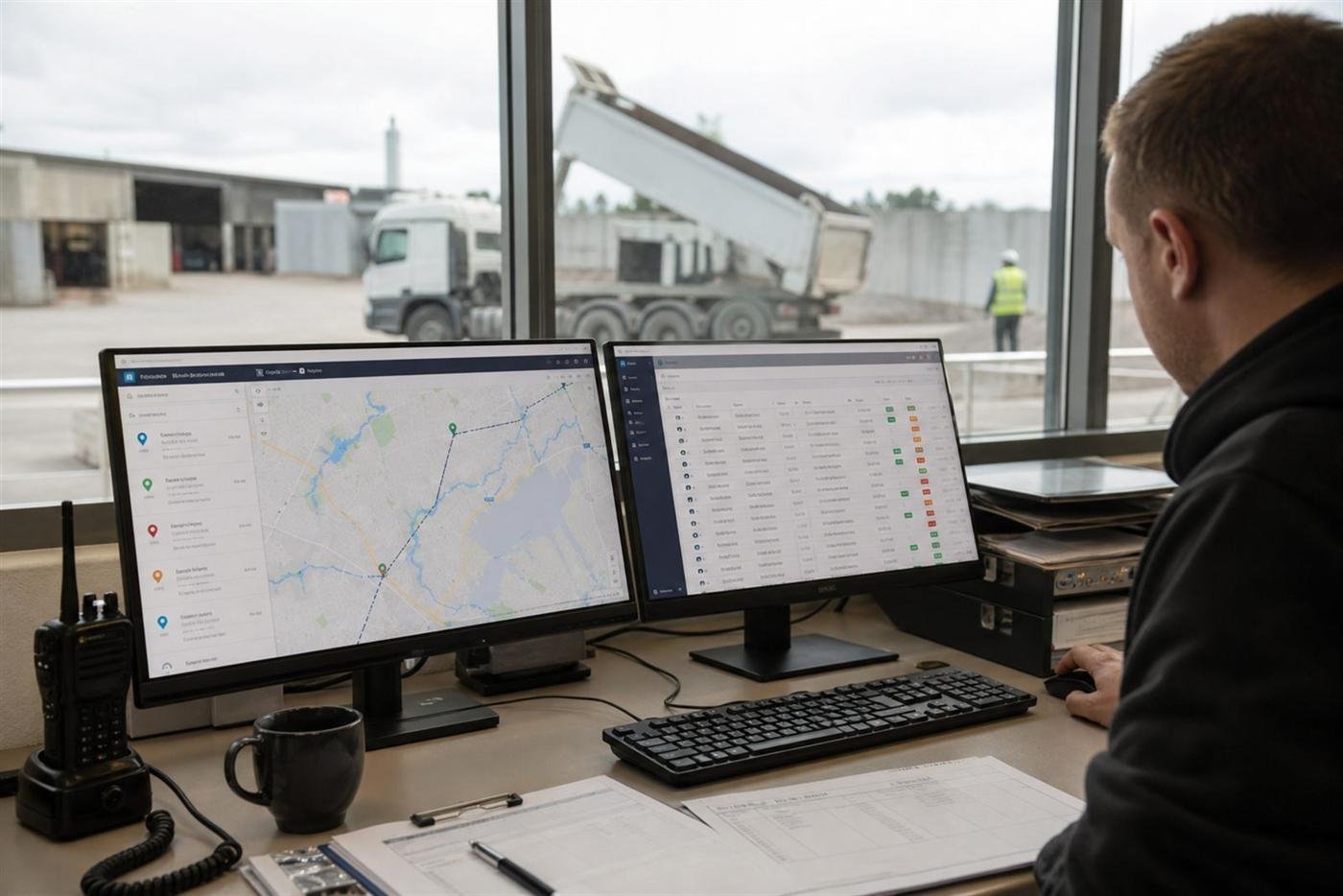
TMS Beyond GPS: Dispatch, Documents, and Plant Windows
GPS alone is not a transport management system. The platform must support dispatch, documentation, plant windows, and commercial LCV work, not only a map pin.
Read more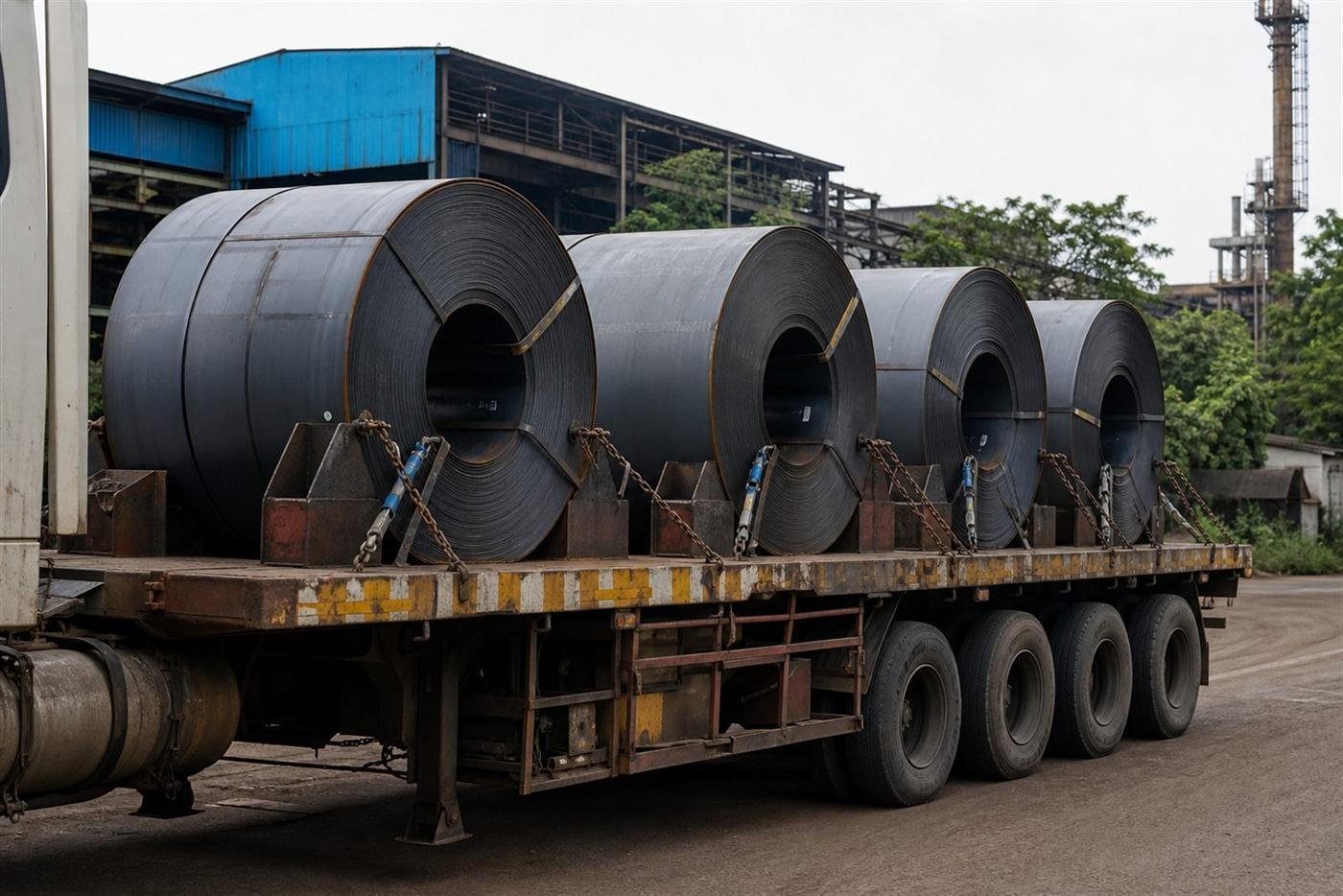
Steel Coil Transport Basics: Axle Discipline and Weighbridge Reality
Coils and plates fail quietly when bed type, strapping, or axle planning is wrong. This guide covers the basics shippers and mill teams should align before dispatch.
Read more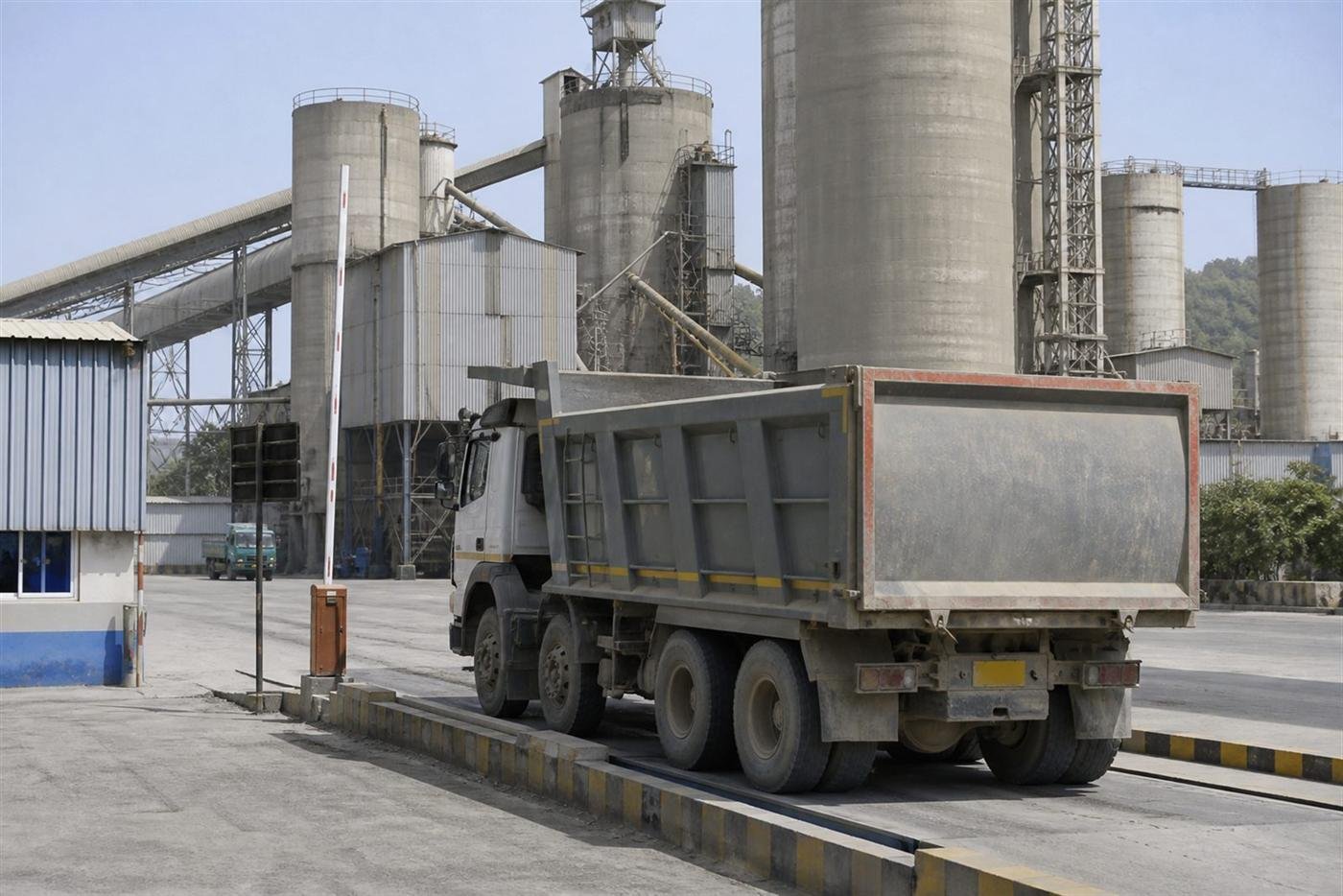
Cement Plant Loading Windows & Detention: What Shippers Should Expect
Detention and queue time can erase corridor planning. Align tipper capacity, plant windows, and documentation before the vehicle reaches the gate.
Read more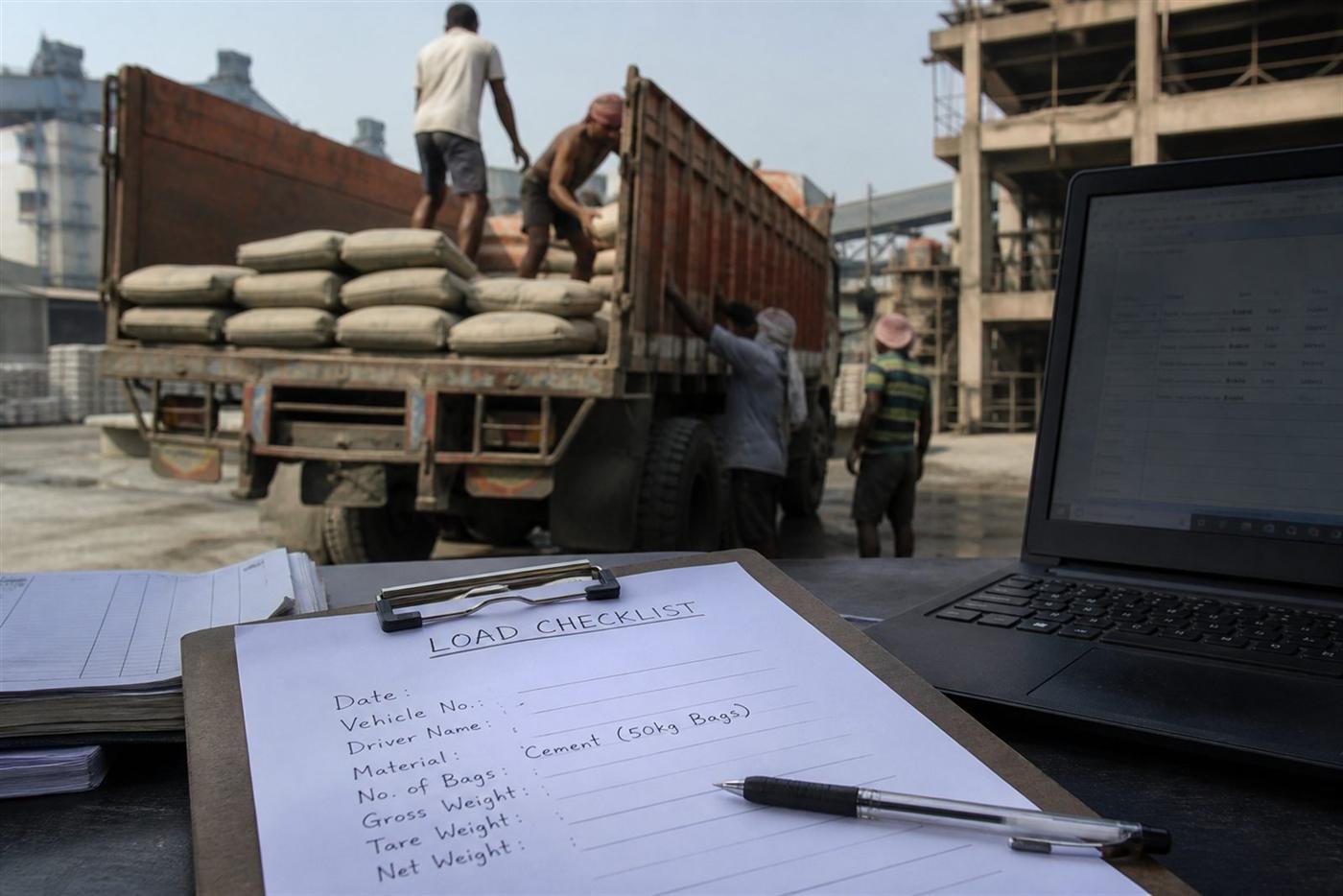
Planning Commercial Shipments: Body Type, Payload, and Plant Windows
Most freight failures start before the vehicle moves. Align cargo, asset, plant timing, and paperwork in one plan. Include LCV when a trailer is the wrong tool.
Read more
How To Reduce Empty Return Trips on FTL Lanes
Empty returns waste fuel, time, and margin. Programs improve when corridors, schedules, and marketplace cover are planned together.
Read moreStay updated
Occasional operational notes and company updates. No spam.
Unsubscribe anytime at subscribers@zaftys.com.
Talk to our teamExplore market reports, logistics, ZAFTYS TMS, TranZfort, industries, or contact ZAFTYS Logistics.