Steel Coil Transport Basics: Axle Discipline and Weighbridge Reality
Coils and plates fail quietly when bed type, strapping, or axle planning is wrong. This guide covers the basics shippers and mill teams should align before dispatch.
01
Start with the load profile
Steel coils, plates, billets, and structurals don't behave the same on the road. Coil diameter, weight, and centre of gravity drive bed choice and securement. Calling for a generic "open body" is how quiet failures start.
Confirm before vehicles are assigned:
Axle planning after loading is already too late.
- Coil or plate dimensions and weight per piece
- Piece count and stacking/orientation rules from the mill
- Destination constraints (gate, crane, storage)
- Corridor axle and permit expectations
02
Why coils fail quietly
Damage and incidents often come from:
This article is ops guidance, not legal advice and not a replacement for mill SOPs. If the mill gives an outbound standard, follow it.
- Wrong deck (no well/cradle where needed; uneven floor)
- Weak anti-slip contact between coil and deck
- Missing or soft forward blocking (headwall / stanchions)
- Lashing that "looks tight" but doesn't hold forward or rolling forces
- Axle overload on one group even when total payload looks okay
- Mill and producer restraint guides (used widely by steel shippers) keep repeating the same basics: anti-slip mats, block forward movement, use proper lashing, place load for axle limits. See examples from ArcelorMittal's securing booklet for steel flat products and Tata Steel road restraint guidelines. Indian operations also have to respect statutory axle and GVW limits under Motor Vehicles rules (manufacturer rating or schedule limit, whichever is less). Always check the vehicle's certified ratings. A MoRTH axle/GVW framing note is summarised in materials such as this axle weight schedule reference.
03
Bed type and securement (practical)
Common setups:
Principles that show up again and again in producer guides:
If your partner can't explain securement for your coil weights, the booking isn't done.
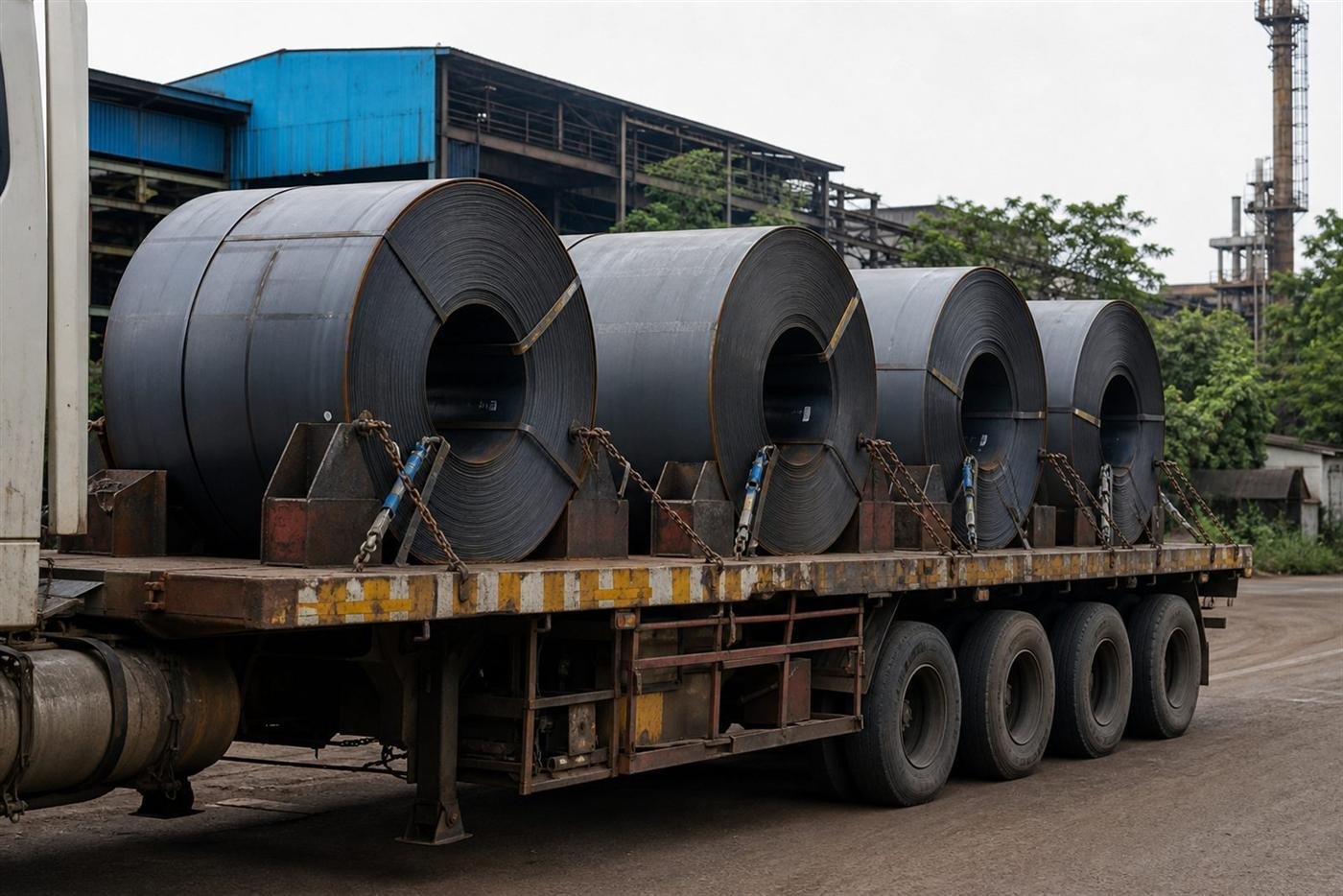
- Coil well trailers: coils in a well; stanchions / well covers per SOP
- Flatbed with cradles/stillages: when wells aren't available; cradles must be stable and rated
- Low-bed / multi-axle: heavier coils and project pieces; route and permit planning matter
- Rest coils on anti-slip mats across the required length
- Block forward movement (headwall or stanchions); don't leave it to hope
- Use wedges / chocks against rolling as specified
- Lash with gear rated for the forces; chains vs webbing per product SOP
- Don't leave gaps that let coils migrate under braking
04
Axle discipline and the weighbridge
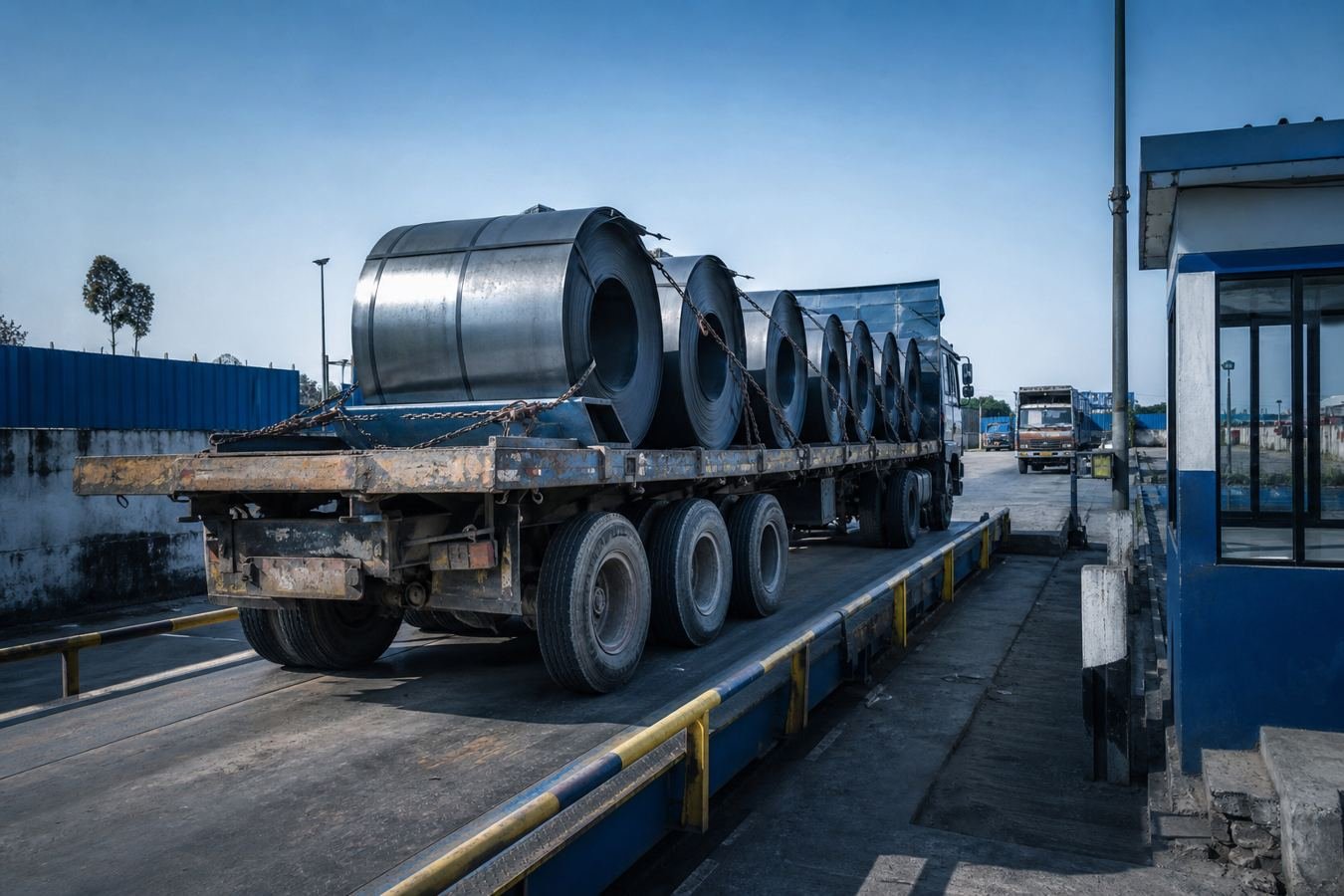
Concentrated coil loads overload axle groups easily. Plan placement with the driver and supervisor before the crane finishes. Then verify on the weighbridge.
Weighbridge discipline protects everyone:
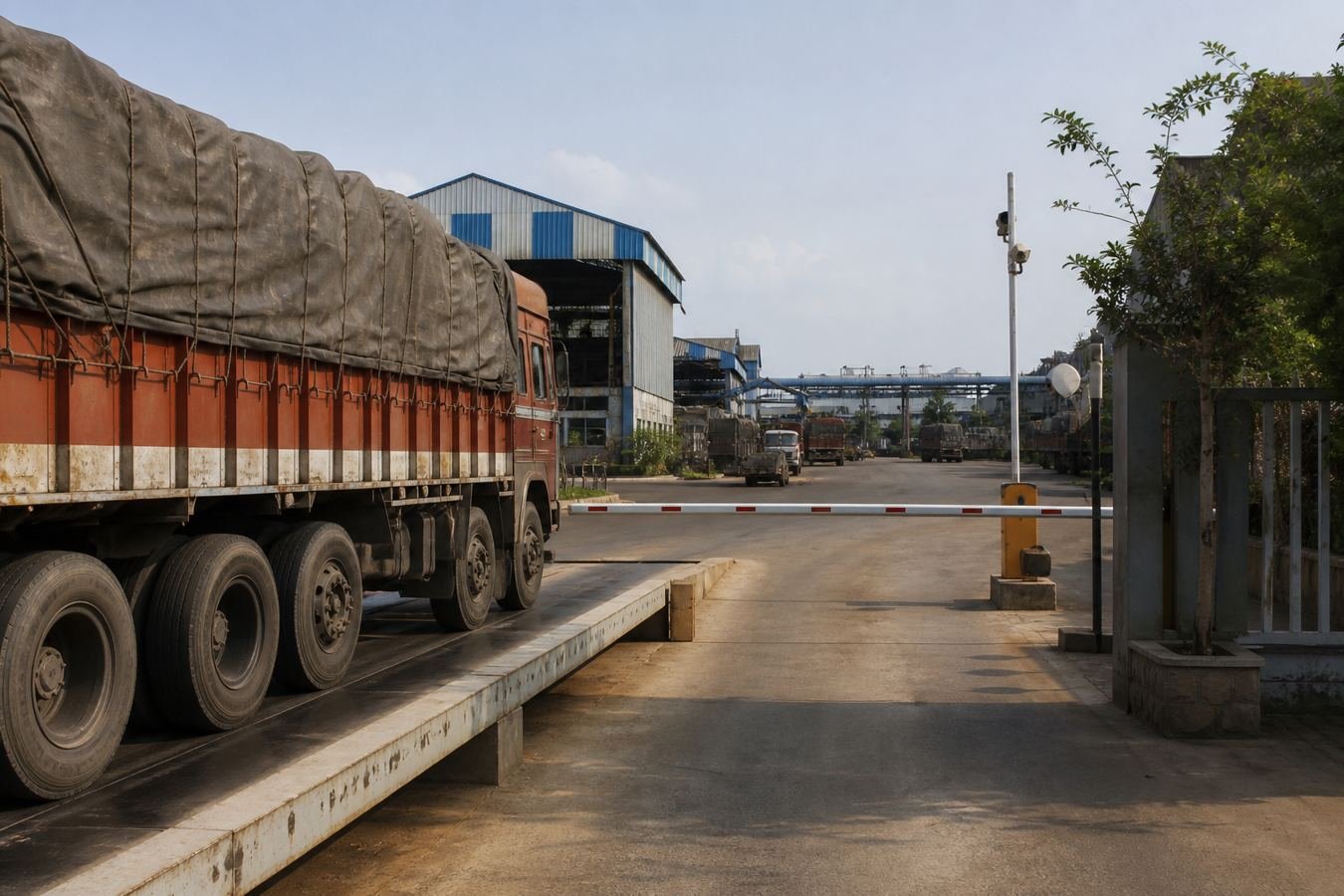
Build weighbridge time into the mill window. It's part of the trip, not an optional extra.
- Catch axle overloads before the highway
- Align documents with actual loaded weight
- Cut roadside delays and dispute risk
05
Mill windows and communication
Mill dispatch runs on tight slots. Late trucks or incomplete paperwork mean detention, rescheduling, and downstream risk at fabricators and project sites.
Align:
Fragmented calls across many transporters make exceptions harder. One accountable partner with visibility on active trips reduces follow-up for mill logistics teams. See planning industrial shipments.
- Vehicle readiness (docs, fitness, securement gear onboard)
- Gate and parking instructions
- Crane/loading sequence ownership
- Who updates ETA when the mill queue slips
06
When demand exceeds owned fleet
Peak mill programs may need more trucks. Post those loads on TranZfort. Listing is free. Trips contracted through ZAFTYS stay on GST billing (also described on TranZfort marketplace). Random capacity without securement standards is a quality risk. Marketplace cover still has to meet coil discipline.
07
Plates, billets, structurals
Not every steel move is a coil. Plates may need edge protection and different stacking. Billets and structurals change geometry and securement points. The order stays the same: define the piece, choose the deck, then prove axle and restraint. Don't reverse it.
If your product mix changes week to week, your partner should switch configurations without inventing restraint at the crane.
08
Incident and claim hygiene
When damage or axle issues happen, weak documentation turns a technical problem into a commercial fight. Keep:
A TMS-backed trip record helps because evidence sits with the shipment, not in lost chats. See TMS beyond GPS.
- Pre-load photos / condition notes where the mill process allows
- Securement method recorded against the trip
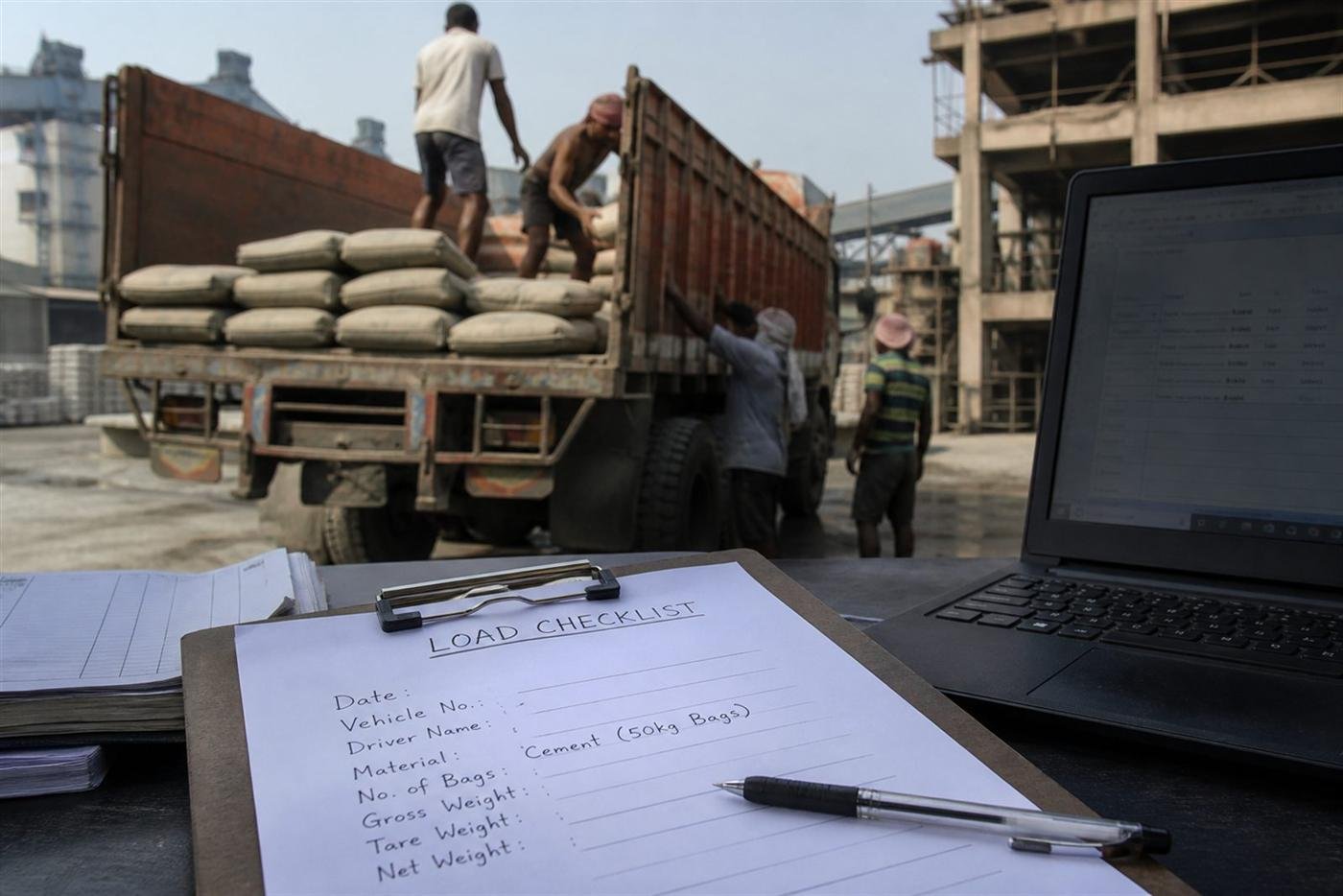
- Weighbridge tickets tied to the LR
- Clear exception timestamps (mill delay vs transit vs site)
09
How ZAFTYS supports steel freight
For assets, see fleet.
- Company-operated flatbed and low-bed programs on repeat lanes
- Axle-aware planning and weighbridge-minded dispatch
- Trip and document visibility through ZAFTYS TMS
- Surge via TranZfort when mill demand spikes
10
Corridor habits that keep steel programs stable
Repeat mill-to-fabricator or mill-to-project lanes reward consistency more than one-off heroics:
When those habits sit with one accountable partner, fabricators see fewer surprise delays and mill logistics spends less time chasing trucks. The goal is boring reliability on the corridor, not a perfect zero-claim week every month.
- Keep a short approved vehicle list for the corridor (body, axles, securement kit).
- Rehearse weighbridge and gate steps with new drivers before peak weeks.
- Don't change deck type mid-week without updating the mill loading note.
- Review claim and axle exceptions monthly with photos and tickets, not only anecdotes.
11
What to do next
Share coil and plate profile, corridor, and mill window constraints. We will recommend a heavy-load approach for your steel program.
12
References
Outside links below are for grounding and further reading. They are not endorsements of those vendors' products.
Frequently asked questions
Which vehicles are used for steel coil transport?
Flatbed and low-bed configs are common; coil wells and cradles are used per load. Multi-axle assets may be needed for heavier coils and route limits.
Why do mill windows matter so much?
Mill dispatch runs on tight slots. Late vehicles or incomplete documentation create detention, rescheduling, and downstream risk.
How does ZAFTYS support steel freight?
Company-operated flatbed and low-bed programs, TranZfort when you need more trucks that day, and ZAFTYS TMS for trip and document status.
Who owns securement standards?
Follow mill/outbound SOPs and applicable law. Your logistics partner should show competence against those standards before loading.