Cement Plant Loading Windows & Detention: What Shippers Should Expect
Detention and queue time can erase corridor planning. Align tipper capacity, plant windows, and documentation before the vehicle reaches the gate.
01
Plant windows are part of the freight design
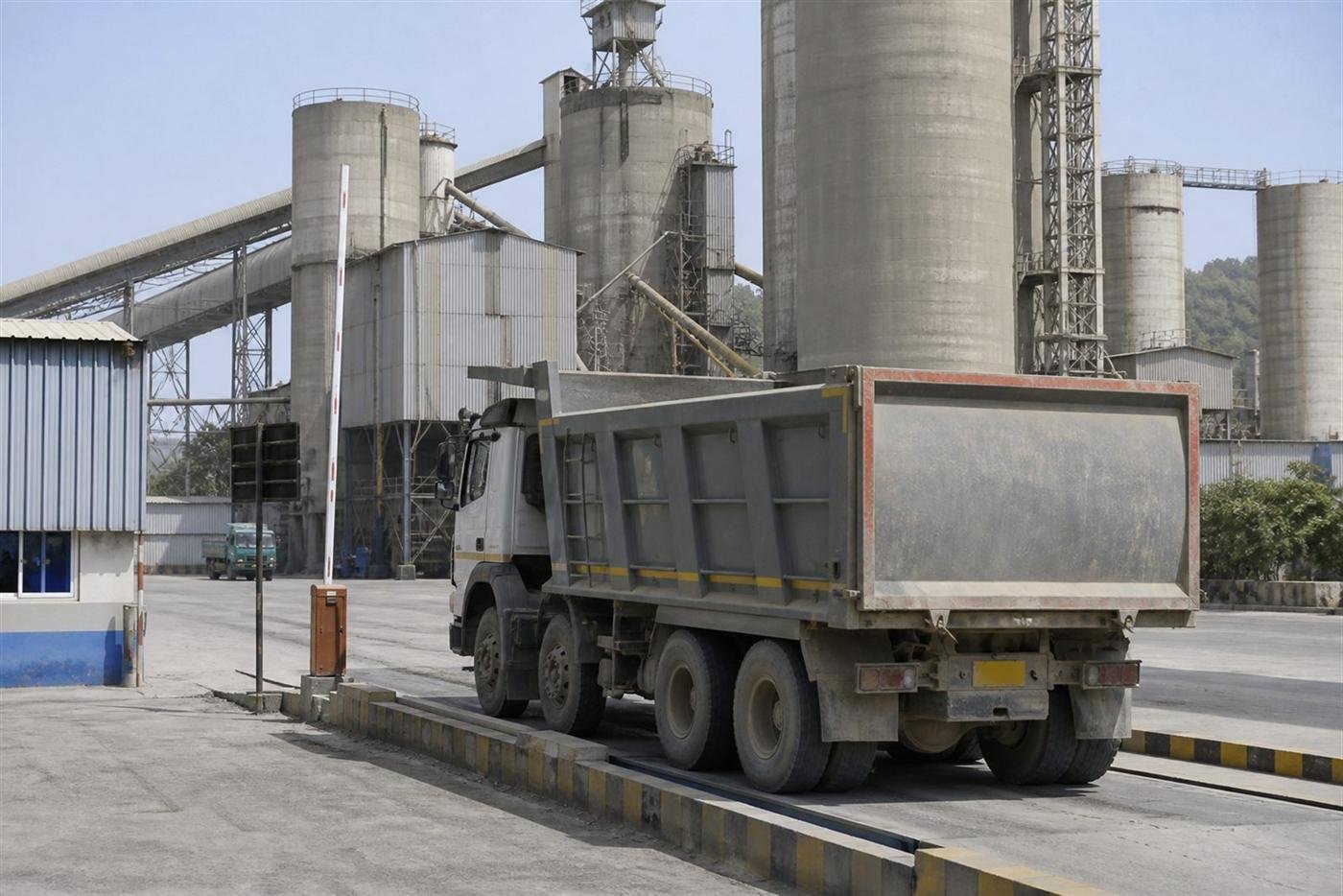
Cement logistics isn't only distance and rate. Plants pack and load under throughput limits. Miss the window and the truck waits, or goes back while dealers and project sites wait for material.
If you treat plant timing as "the transporter's problem," you still pay: detention, missed site windows, emergency spot premium, strained partner relationships.
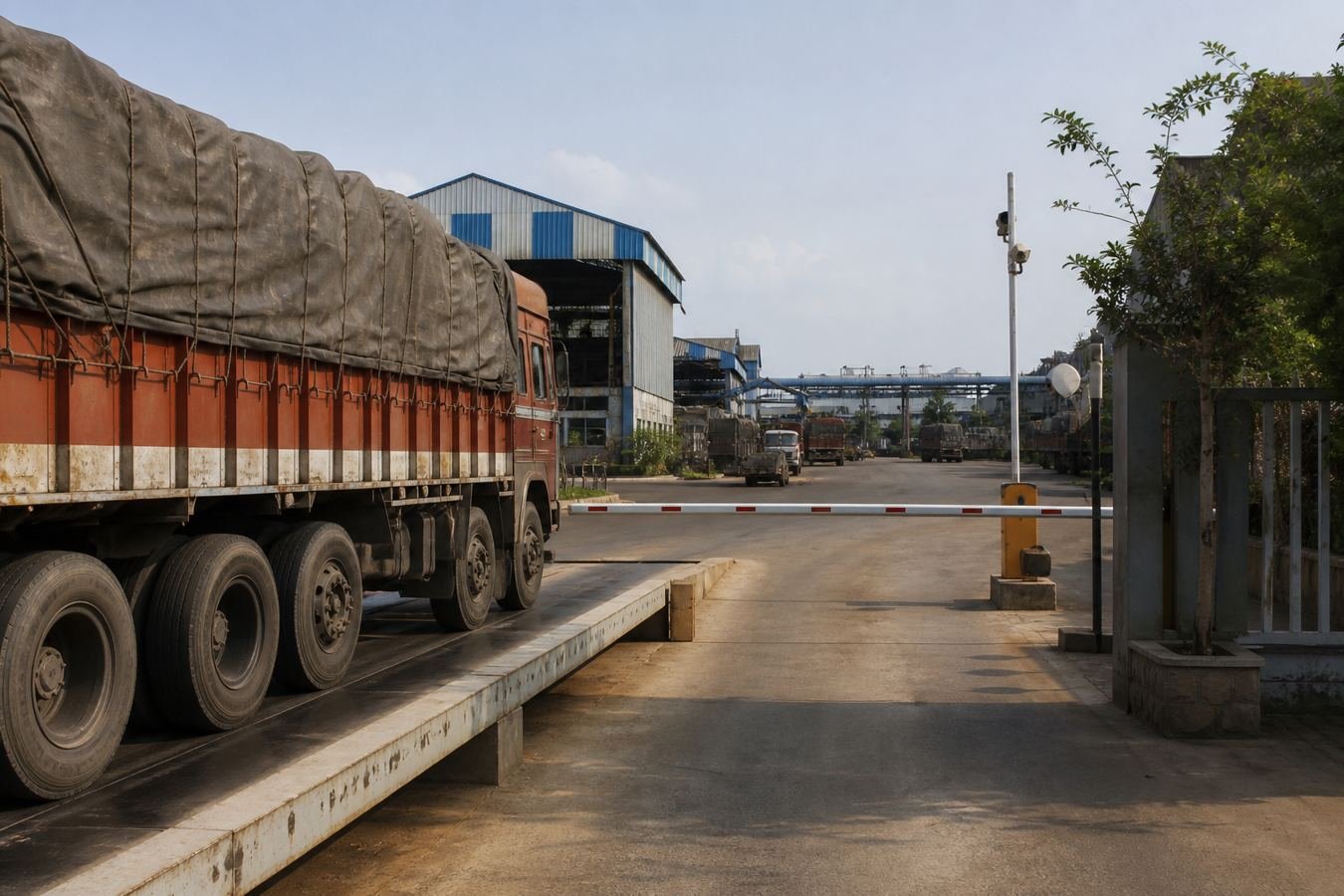
People who work cement plant logistics in India talk a lot about plant turnaround time (TAT): gate entry to loaded exit. Multi-hour TAT shows up when gate paperwork, weighbridges, bay allocation, and documentation are manual and poorly sequenced. Exact hours vary by plant and season. What you should push for is stage-level clarity, not a vague "truck is stuck." For the full yard and gate audit, see plant detention and turnaround time (TAT). Guides like Fretron's cement logistics challenges overview break this down in plant terms.
02
What detention means on the ground
Detention is waiting beyond agreed free time at plant or site. The usual stack:
Peak season makes it worse. More trucks chase the same capacity, placement lead times stretch, queues grow.
- Trucks arriving without a real slot or token sequence
- Tipper or bulk assets mismatched to packing or silo method
- Incomplete paperwork at gate
- Weighbridge congestion (inbound raw materials and outbound dispatch sharing limited bridges)
- Bay mix-ups between bagged, bulk, and clinker flows
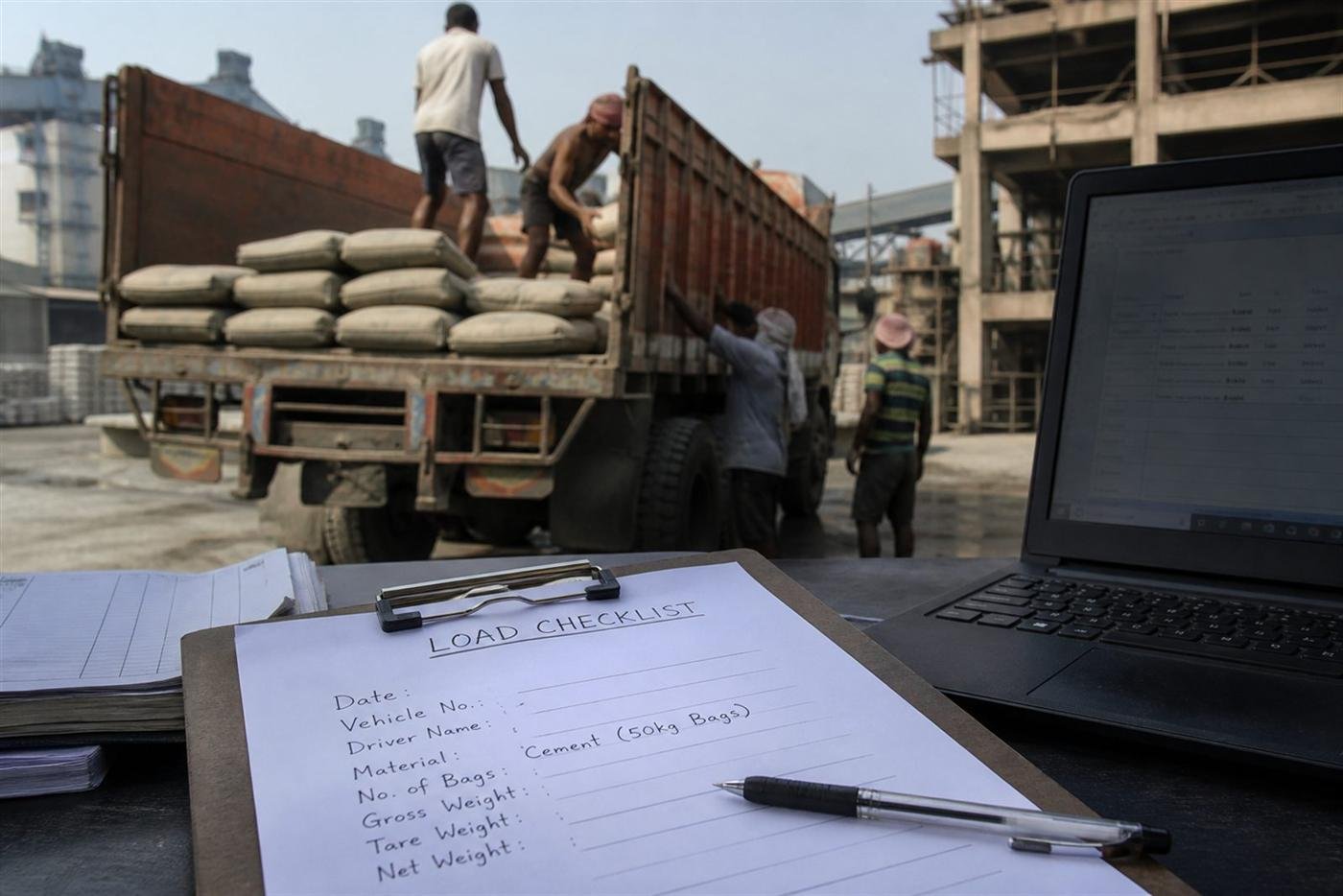
- Documentation created only after loading (invoice, e-way bill, quality certs)
03
Match tipper and bulk to the material
Bagged cement, bulk cement, clinker, and aggregates need different body and discharge approaches. Wrong fit means slow loading, spills, and fights at the plant.
Before assignment, confirm:
For the wider planning checklist, use planning industrial shipments.
- Material grade and packaging
- Loading method (manual, chute, bulk fill)
- Payload target and axle limits
- Whether the bay can take the vehicle length and height
04
Break TAT into stages
If your partner only says "stuck at plant," you can't improve much. Ask for stage awareness (or help build it):
Fixes look different at each stage. Gate delays want paperwork readiness. Bay delays want sequencing against silo or packing availability. Doc delays need ownership before the truck is physically ready to leave. Some cement logistics platforms stress the same stage split (see cement logistics software notes); the ops lesson holds even if you don't buy their stack.
- Gate entry / security
- Weighbridge (tare / gross as needed)
- Loading bay
- Documentation
- Gate exit
05
Detention is a planning signal
Repeated detention on a lane usually means the plan is wrong: window, asset, documentation, or volume timing. It's not always "drivers are slow." Fix the plan. Don't only argue invoices afterward.
Useful monthly questions:
- Which plants and shifts create the worst TAT?
- Are we bunching arrivals because forecast and placement are late?
- Are bag and bulk mixed so some bays idle while others queue?
- Does site detention (dealer/project) kill the return window and raise empty kilometres? (see empty return trips)
06
Visibility after the gate still matters
Once the truck leaves the plant, you still need status without chasing drivers: ETA changes, site waiting, proof of delivery. Trip records and ePOD through ZAFTYS TMS keep plant, project, and logistics teams on the same page.
07
Shipper-side moves that actually help TAT
You can't redesign a plant overnight. You can stop adding chaos at the gate:
Project sites need the same discipline as plants. A truck that loads on time and then waits six hours at a dealer godown still wrecks corridor productivity. Unloading and diversion issues get a lot of attention in cement logistics writing (for example Intugine on cement logistics optimisation); the practical takeaway for shippers is simple: measure where time actually goes.
- Issue complete order and doc packs before the vehicle arrives.
- Don't bunch all placements into the same morning rush without plant agreement.
- Separate bag vs bulk clearly in the booking.
- Agree free time and detention rules in writing, then review exceptions with data.
- Ask partners for stage-level delays, not only "plant delay."
- Protect the site unloading window so outbound detention doesn't cascade into empty returns and missed next-day placements.
08
Seasonal surge without losing the plot
Cement demand spikes around infrastructure pushes, construction cycles, and plant maintenance catch-up. Surge weeks are when many shippers add the most transporters and lose the most control.
Calmer pattern: lock core lanes with a primary partner, pre-agree how extra loads get posted, keep one escalation channel. TranZfort is a free marketplace under ZAFTYS coordination (see also TranZfort marketplace), not anonymous last-minute chaos.
09
How ZAFTYS runs cement programs
On cement & construction logistics we focus on:
We won't claim every plant hits one national TAT number. We will say disciplined dispatch, matched assets, and shared visibility cut avoidable surprises.
- Company-operated tipper and bulk programs on repeat plant-to-project and plant-to-dealer lanes
- Planning around plant windows rather than ad-hoc spot calls
- TranZfort when seasonal or project demand needs more trucks than we have that day
- One commercial channel so exceptions have an owner
10
What "good" looks like after 90 days
You won't rewrite a plant. You should see clearer signals:
If those four don't move, the partner is still running spot theatre. Ask for the corridor data, not another rate sheet.
- Fewer surprise detention invoices because free time and windows were agreed early.
- Stage-level delay notes instead of a single "plant stuck" message.
- Bag vs bulk bookings that don't fight for the wrong bay.
- Site unloading windows protected so loaded trucks don't become floating inventory.
11
What to do next
If cement detention is eating your corridor plan, share plant locations, material type, and weekly volume. We will recommend a tipper or bulk approach matched to your windows. Also see services.
12
References
Outside links below are for grounding and further reading. They are not endorsements of those vendors' products.
Frequently asked questions
What causes detention at cement plants?
Missed loading windows, mismatched tipper or bulk assets, incomplete documentation, and peak-hour queues that weren't planned into the trip timeline.
How can shippers reduce loading delays?
Share accurate volume and packaging early, confirm plant slot rules, and work with a partner that plans tipper capacity around those windows.
Does ZAFTYS handle bagged and bulk cement?
Yes. Tipper and bulk programs support plant-to-project and plant-to-dealer lanes. Extra volume can go on TranZfort when we do not have the truck that day.
Should we track only total plant time?
Prefer stage-level TAT (gate, weighbridge, loading, docs, exit) so bottlenecks are actionable. See plant detention and TAT.