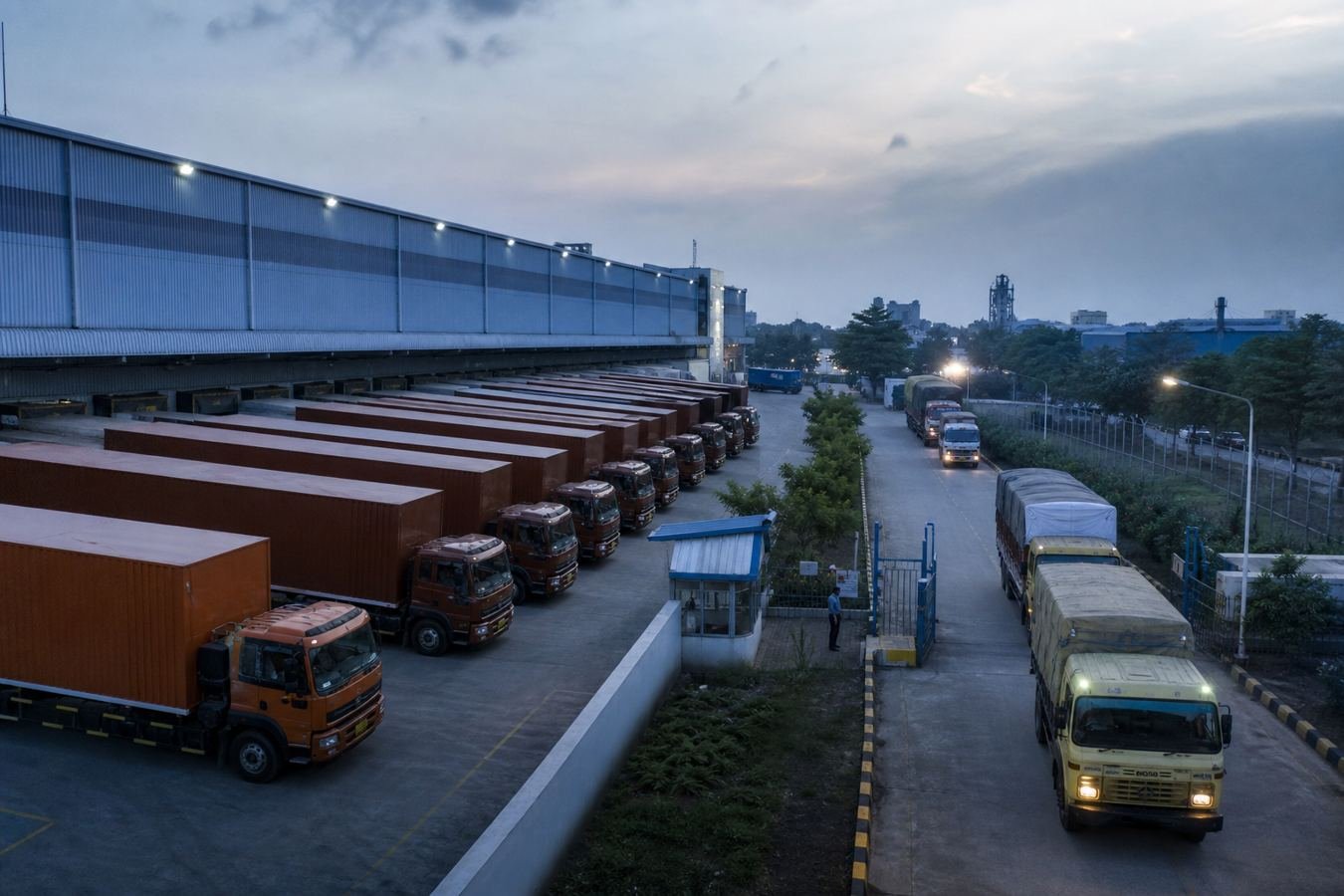
Planning Commercial Shipments: Body Type, Payload, and Plant Windows
Most freight failures start before the vehicle moves. Align cargo, asset, plant timing, and paperwork in one plan. Include LCV when a trailer is the wrong tool.

01
Most freight fails before the truck moves
When a shipment goes sideways, people blame the driver, the traffic, or "the transporter." Dig a bit and you'll often find incomplete planning: wrong body type, fuzzy payload, plant window treated as a soft preference, or paperwork started after delivery.
Commercial freight covers tipper bulk, bagged cement, coils and plates, tanks, closed-body SKUs, LCV drops, project pieces. If you are only talking rate and distance, you have not chosen a truck yet. You have chosen a hope.
02
Start with the cargo profile
Before you call anyone, write a short cargo brief:
That brief drives asset selection more than corridor length. It also stops the expensive habit of sending "whatever is free" and discovering the mismatch at the gate.
- Material and packaging (loose bulk, bags, coils, drums, pallets, ODC)
- Approximate weight and volume (and which one binds first)
- Piece count, dimensions, centre-of-gravity notes for heavy pieces
- Handling (crane, forklift, tipper discharge, side load)
- Hazardous or permit needs, if any
- Preferred or required body type
03
Body type is a safety call
Rough guide to common configs:
Unsure? Ask for a recommendation against the cargo brief, not against a generic "FTL truck" label. See how we match fleet to the class.
- LCV: DC transfers, dealer drops, and packaged cargo on planned lanes. Not house shifting. Not two-wheeler last mile.
- Tipper / dumper: loose bulk that tips out (aggregates, ore, some cement and mining outbound). Bad fit for sealed loads or cargo that cannot take tip angles.
- Open body / high-side: bagged cement, many bulk solids, steel lengths when secured properly.
- Flatbed / low-bed: coils, plates, machinery, pipes, project cargo. Axle planning matters a lot here.
- Tanker / bulk carrier: liquids and powders with compartment and cleanliness rules.
- Container / box: weather-sensitive or higher-value sealed freight.
04
Lock plant and site windows early
Windows decide if the trip is even feasible. Arrive outside the plant slot and you can sit in detention, lose the day, or go empty while the site waits.
Tell your logistics partner:
Treat plant schedules as hard constraints. Soft language like "anytime after lunch" is how detention invoices and missed pours start.
For cement-specific timing and detention, read cement plant loading windows. For the full five-stage plant TAT and detention audit, see plant detention and turnaround time. Industry write-ups on cement logistics challenges in India keep pointing to plant turnaround as the bottleneck you feel in freight cost.
- Pickup window and gate process (security, parking, token/queue)
- Delivery window and site access limits
- Weighbridge, quality check, or permit steps on the corridor
- Who calls if the window slips, and by when
05
Put weighbridge and axle reality in the plan
Industrial loads concentrate weight. Coils, machinery, and dense bulk can overload an axle even when total payload "looks fine." Plan axle distribution and confirm weighbridge steps before departure, not after a check-post surprise.
If a transporter refuses an unsafe loading plan, that's discipline. Not inflexibility.
06
Documents should travel with the trip
LR, invoices, e-way bills, quality certificates, proof of delivery: don't leave them for the end. Teams that organise paperwork only at delivery create payment delays and the familiar "send the photo again" loop.
Digital trip records cut that loop. ZAFTYS TMS keeps documents against the trip so dispatch and the customer share one record.
07
Scale without stacking vendors
When volume spikes (seasonal cement, mill catch-up, multi-plant surges), adding random transporters often raises coordination cost more than it adds reliable capacity.
A cleaner pattern:
ZAFTYS runs own fleet. Extra loads go on TranZfort. Trips we contract stay on GST billing. More on that on our marketplace and services pages.
- Cover core lanes with company-operated fleet where you can.
- Post extra loads on TranZfort early when the forecast exceeds owned trucks.
- Keep commercial accountability with one partner so exceptions have an owner.
08
One-page checklist (use before every industrial booking)
If any line is blank, you're not planning. You're hoping.
- Origin, destination, corridor constraints
- Cargo brief (material, weight/volume, packaging, handling)
- Body type and axle notes
- Plant/site windows and contacts
- Weighbridge / permit / documentation list
- Fallback if the window slips
- Whether extra trucks must be posted on TranZfort now
- Visibility expectation (who sees status, and how)
09
Failure modes we see again and again
Try a weekly ops habit: sample ten recent trips, score them against the checklist, and fix blank lines in the process (not only invoice fights).
- Rate-first booking: price locked before body type and windows; the truck that arrives can't load safely or on time.
- "Open body will do": coils, tanks, or tipper bulk forced onto the wrong deck.
- Vague windows: "morning load" with no cut-off, contact, or fallback.
- Documents last: LR / e-way / quality paperwork starts when the truck is already in the bay.
- Peak-week vendor pile-on: five new transporters, no corridor owner, then nobody owns the exception.
10
Who owns the plan inside the shipper org?
Planning falls apart when it sits between departments. A workable split:
If those four never share one brief, the truck becomes the message bus. Trucks are expensive message buses.
- Plant / mill logistics owns window truth and gate rules.
- Commercial / procurement owns rate and partner selection, but shouldn't override asset fit.
- Site / project owns unloading access and free time.
- Logistics partner owns vehicle readiness, securement competence, and in-transit exceptions.
11
What to do next
Share your corridor, load type, and volume with our team. We will recommend a transport approach across own fleet and TranZfort, without turning peak weeks into a multi-vendor scramble. Start from services if you want the service map first.
12
References
Outside links below are for grounding and further reading. They are not endorsements of those vendors' products.
Frequently asked questions
What should be confirmed before requesting a truck?
Origin and destination, material type, approximate weight or volume, preferred body type, loading window, and documentation or permit requirements.
When should extra trucks be planned on TranZfort?
When demand may exceed dedicated or owned fleet: seasonal peaks, shutdowns, multi-plant surges. Post early so matching can run before the window.
How does ZAFTYS help with shipment planning?
We match company fleet to the load profile, use TranZfort when extra capacity is needed, and keep trip visibility through ZAFTYS TMS once the shipment is active.
How does this relate to empty returns?
Poor planning creates one-way trips and missed return windows. See how to reduce empty return trips.